
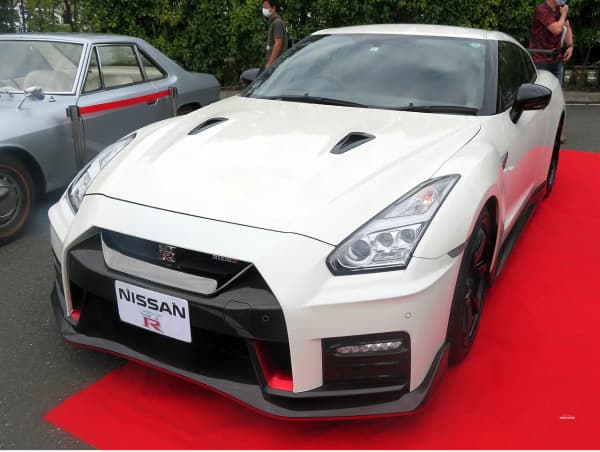
Porsche 911 vs Nissan GT-R: German Precision vs Japanese Engineering
The Porsche 911 and Nissan GT-R R35 are two of the most capable sports cars ever built. Here is how they compare on performance, technology, value, and driving experience.
The Porsche 911 and Nissan GT-R R35 are two of the most capable sports cars ever built. Here is how they compare on performance, technology, value, and driving experience.
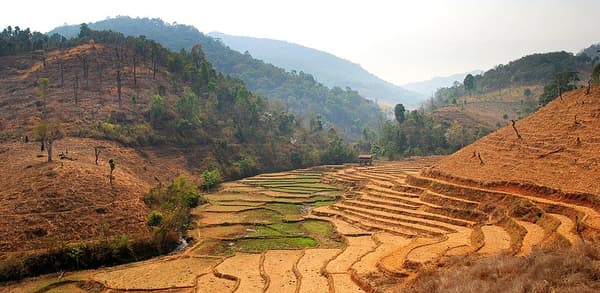
The best driving roads in Thailand include the Mae Hong Son Loop, Route 1148, the Samoeng Loop, Khao Yai, and Doi Inthanon. Here are 10 roads every driver should know.
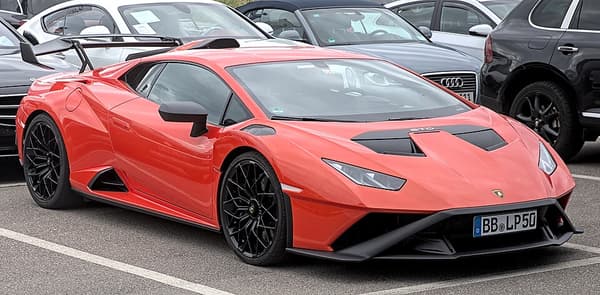
Supercars in Bangkok range from Lamborghinis at Siam Paragon to Ferraris on the expressway. Here is where to spot them, who sells them, and how the scene works.
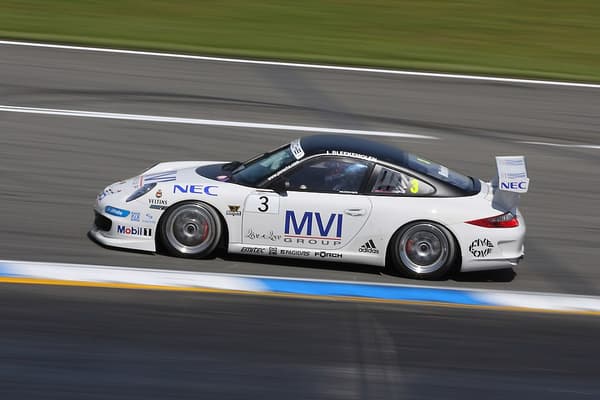
A Thailand track day costs 3,000 to 8,000 THB and requires no racing license. Here are the circuits, what to bring, how to book, and what to expect on track.
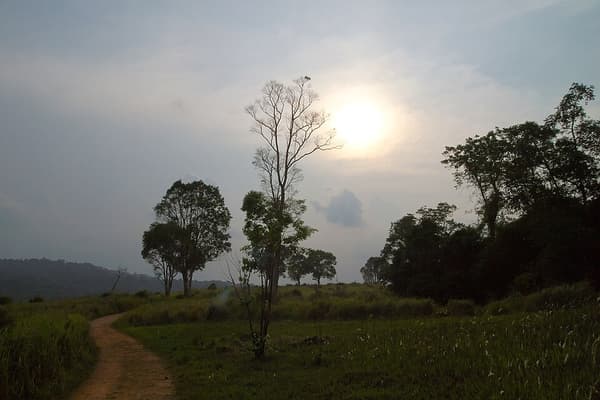
Plan your Bangkok to Khao Yai road trip with this driving guide covering the best routes, toll fees, scenic stops, national park tips, and where to eat along the way.
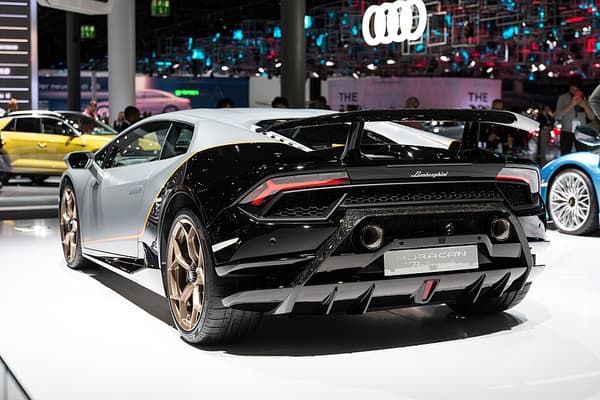
A complete guide to car clubs in Thailand, from Porsche Club Thailand and Ferrari Owners Club to JDM groups, supercar clubs, and pickup truck communities.
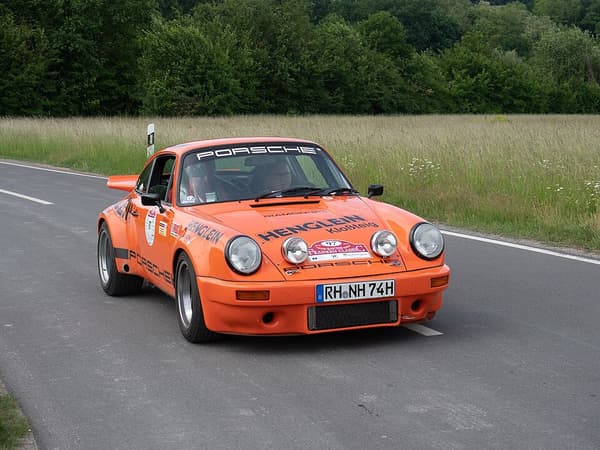
The Porsche 911 RSR is Porsche's factory GT race car, from the 1973 Carrera RSR to the mid-engine 991 RSR that won Le Mans. Full history, specs, and race results.
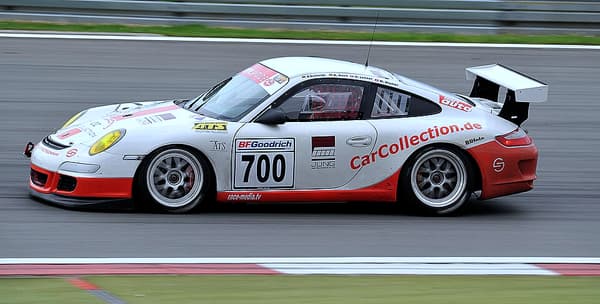
The Porsche 911 GT3 Cup is the backbone of one-make racing worldwide. Four generations, 4,000+ units built, from 996 to 992. Full specs and history.
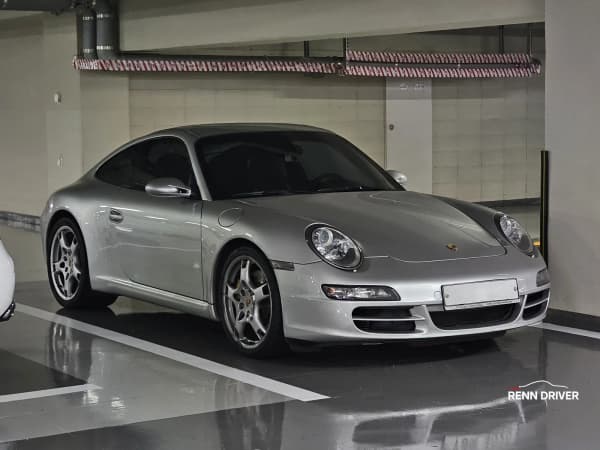
Car detailing in Bangkok ranges from 2,000 THB wash and wax to 100,000 THB ceramic coatings. Here is what to know about detailing services, prices, and protecting your car in Thailand.
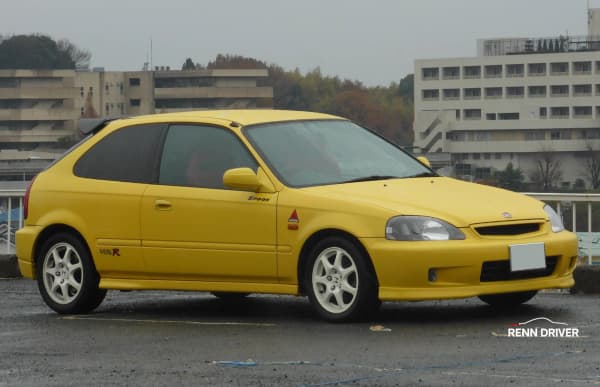
JDM Thailand is a growing scene built on Nissan Silvias, Toyota Supras, Honda Civics, and a deep aftermarket culture. Here is what to know about Japanese cars in Thailand.