The Porsche Sport Chrono Package is a factory option that sharpens how a Porsche responds, without adding any horsepower. It bundles extra driving modes, faster throttle and gearbox response, launch control on PDK cars, a 20 second overboost button, and a dashboard stopwatch for timing laps. On a PDK car it usually trims about 0.2 seconds off the 0 to 60 mph time.
In this article, we’ll explain the Porsche Sport Chrono Package and what it actually changes. We’ll cover the driving modes, launch control, dashboard stopwatch, and overall value.
Contents
- 1 Quick Summary
- 2 What Is the Porsche Sport Chrono Package
- 3 The Dashboard Stopwatch and Clock
- 4 The Controls: Mode Switch, Sport Response, and Launch Control
- 5 What the Sport Modes Actually Change
- 6 What Sport Chrono Does Not Include
- 7 Sport Chrono Across the Range
- 8 How It Evolved
- 9 Pricing and How to Order
- 10 Is It Worth It
- 11 Frequently Asked Questions
Quick Summary
- What It Is: A factory option that sharpens throttle, transmission, and chassis response without changing peak horsepower or torque.
- Dashboard Clock: An analog stopwatch on top of the dash that can record and store lap times, paired with a digital lap timer on newer cars.
- Mode Dial: A steering-wheel rotary switch (added around 2016) for Normal, Sport, Sport Plus, Individual, and Wet driving modes.
- Sport Response Button: Gives 20 seconds of maximum throttle response and the ideal gear for an overtake, then reverts automatically.
- Launch Control: Unlocked on PDK cars only, typically trimming about 0.2 seconds off the 0 to 60 mph time.
- Manual Cars: Get the driving modes, dynamic engine mounts, and dashboard timer, but not launch control.
- Not Included: Sport exhaust, sport seats, adaptive PASM suspension, and rear axle steering are separate, unbundled options.
- Origins: Debuted on the 997 generation 911 in the mid-2000s; the mode dial and Sport Response button arrived with the facelifted 991 around 2016.
What Is the Porsche Sport Chrono Package
The Sport Chrono Package is the option box that turns a fast Porsche into a sharper one. It does not touch the engine’s peak output. Instead it changes how the car reads your inputs, how quickly it reacts, and how much freedom the electronics give you before they step in.
Porsche first offered it on the 997 generation 911 in the mid 2000s. Back then it was mostly a Sport button and a dashboard timer. Two decades on it has grown into a full performance suite that appears across almost every model line, from the four cylinder 718 to the Cayenne SUV. It is still an option on most cars, and standard on a few of the focused ones.
The simplest way to think about it: Sport Chrono is the difference between a Porsche that behaves and a Porsche that is eager. The package is a set of driving modes, faster responses, and a clever overboost button, all controlled from the steering wheel. You can read the full option on the official Porsche 911 page, but the parts that matter are the ones below.
Why It Adds No Horsepower
This trips up a lot of first time buyers. The Sport Chrono Package does not change the engine’s peak power or torque figure at all. A 911 Carrera makes the same horsepower with or without the box ticked. What changes is how the car delivers that power and how the chassis behaves while it does.
So why is a car with the package quicker on paper? The answer is launch control, which is bundled in on PDK cars. A clean launch off the line is worth about 0.2 seconds to 60 mph, and that is the only reason the spec sheet moves. Everything else in the package is about feel, response, and control rather than raw output.
The Dashboard Stopwatch and Clock
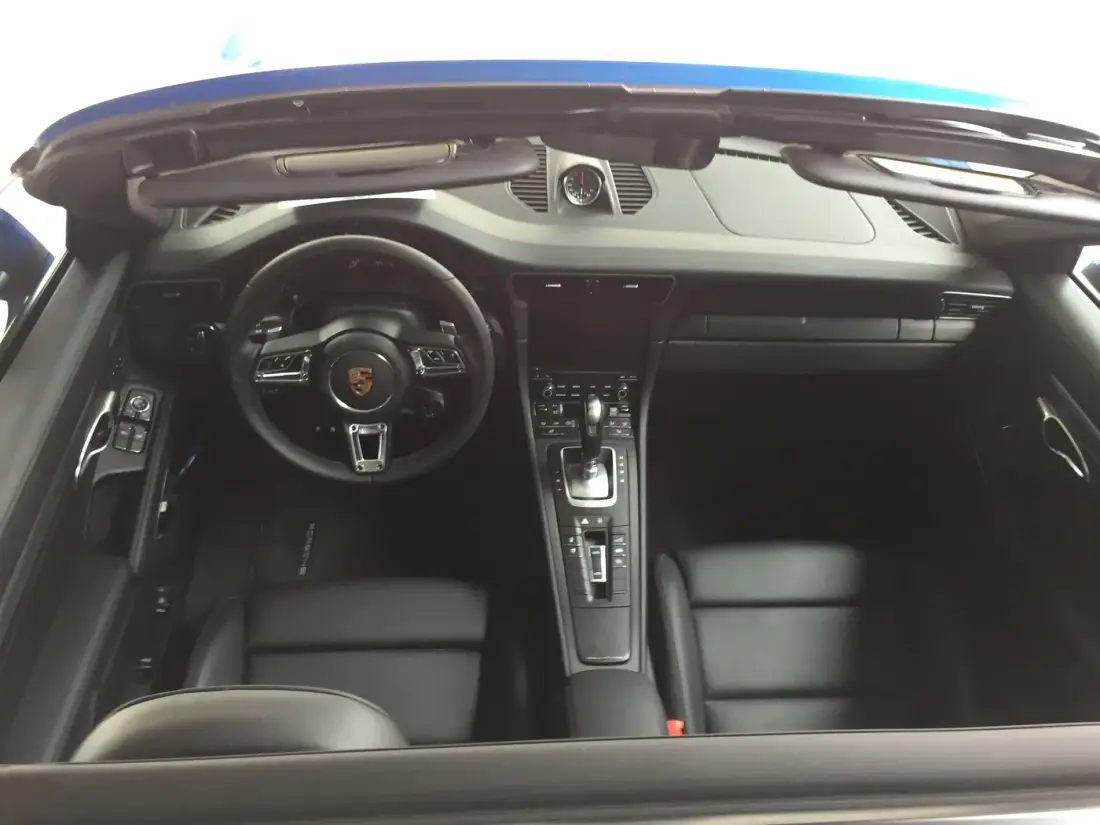
The most visible sign of Sport Chrono is the small analog clock sitting on top of the dashboard, right in the driver’s eyeline. It looks like a classic chronograph, and that is the point. It is the badge that tells you the car has the package.
That clock is not just for show. It is a stopwatch wired into the car’s computer, so it can record and store lap times. On the dash it reads like a watch, but it is really a stopwatch on the move. It is one of the few features you can spot from outside the car, which is part of why owners like it.
Lap Timing and the Track App
Pair the clock with the navigation screen and you can log how long a drive took, compare laps, and review your times later. On a track day it becomes a proper timing tool rather than a desk ornament. The dash dial starts and stops, and the screen keeps the detail.
On the newest cars the analog dial is joined by a digital lap timer in the instrument cluster and the central screen. Through Porsche Connect and the Track Precision app on your phone, the car can record detailed telemetry and even overlay your lap on video. Some owners barely glance at it on the road, but it earns its keep the moment you point the car at a circuit.
The Controls: Mode Switch, Sport Response, and Launch Control
On cars built since about 2016, Sport Chrono adds a rotary dial to the lower right of the steering wheel. This is the mode switch, and it is the heart of the modern package. You twist it to move between driving programs without taking your hands off the wheel.
The Mode Dial on the Steering Wheel
The usual driving modes are Normal, Sport, Sport Plus, and Individual. Newer cars also add a Wet mode that detects water on the road and dials back the responses for safety. Each setting changes the throttle, the gearbox, the suspension, and the stability control as a group, so one twist of the dial reshapes the whole character of the car.
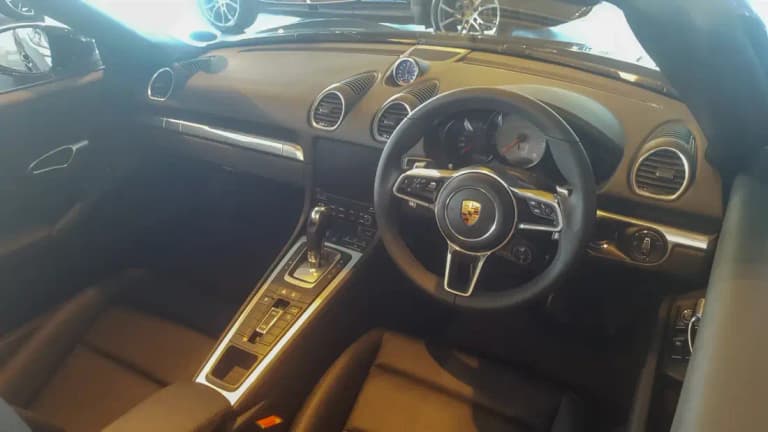
The dial sits on the steering wheel for a reason. You can move from a quiet cruise into Sport mode mid corner without reaching for a console button, which keeps your eyes on the road. Porsche explains the full set of programs on its driving modes overview, but the dial makes them obvious the first time you drive the car.
The Sport Response Button
In the center of the mode dial is a button Porsche calls Sport Response. It is the cleverest part of the package, and it was lifted straight from the thinking behind the 918 Spyder hypercar’s hot lap button.
Press it and the car gives you 20 seconds of maximum attack. The engine takes the sharpest throttle map, the transmission drops to the best gear for acceleration, and on turbocharged cars the system primes the turbos so boost arrives almost instantly. It is built for one job: a safe, decisive overtake on a country road. After 20 seconds the car quietly returns to whatever mode you were in.
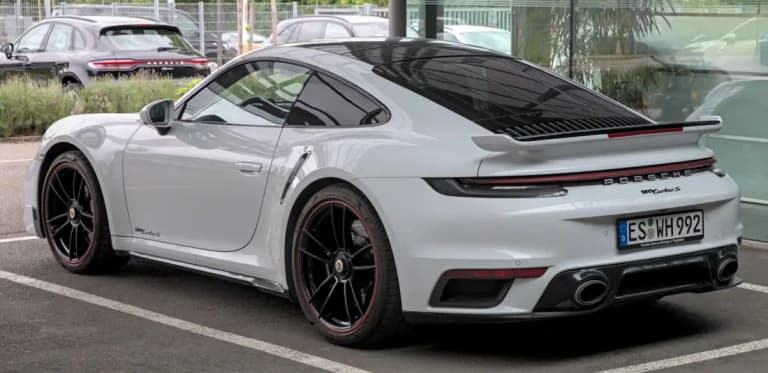
The effect is strongest on the turbocharged cars, where closing the wastegate early makes a real difference to how fast the boost builds. On a 911 Turbo the overtake feels instant. It is one of those features that sounds like a gimmick on paper and then becomes the thing you reach for every time a slow truck appears.
What the Sport Modes Actually Change
When you select Sport or Sport Plus, several systems shift at once. None of them add power, but together they change how the car feels by a wide margin.
- Throttle map. The drive by wire throttle becomes far more responsive, so a small movement of your foot gives a bigger response. This also makes heel and toe downshifts easier in the manual cars.
- Suspension. If the car has adaptive dampers, the suspension firms up for less body roll and crisper turn in.
- Stability control. The system raises the threshold before it intervenes, so you can lean on the car harder before the electronics step in.
- Transmission. On PDK cars the gearbox holds gears longer, shifts faster and harder, and uses rev matching to blip the throttle on downshifts.
- Engine and gearbox mounts. The package adds dynamic engine mounts that stiffen under hard driving to settle the drivetrain, then soften again for comfort when you ease off.
Those dynamic engine mounts are an underrated detail. They let the drivetrain stay planted during quick direction changes, which sharpens the steering and reduces the slack you feel mid corner. It is a small piece of hardware that does real work.
Launch Control
On any Porsche fitted with the PDK dual clutch gearbox, Sport Chrono unlocks launch control. This is the single feature most likely to show up in the spec sheet. It is how Porsche quotes those headline 0 to 60 mph times.
The routine is simple. Select Sport Plus, hold the brake with your left foot, floor the throttle with your right, and the engine settles at the ideal launch revs. Lift off the brake and the car fires off the line with no wheelspin and no drama. The gain is usually around 0.2 seconds to 60 mph, which is why a PDK car with the package is quicker on paper than the same car without it.
Manual cars do not get launch control, since you are the clutch. They still get the Sport button, the dynamic mounts, the sharper throttle, and the dashboard timer. If outright acceleration numbers matter to you, that is one more reason the PDK and Sport Chrono pairing is so common.
Individual Mode
Individual mode is the quiet favorite among owners. It lets you build your own blend of settings rather than accept one of the presets. You can keep the engine and gearbox in their aggressive maps while leaving the suspension in its softer setting for a rough road.
For daily driving this is the setting most people leave the car in. You get a sharp throttle and a fast shift when you want to press on, without the firm ride that comes with full Sport Plus. It is the mode that makes the package feel useful every day rather than only on a back road.
What Sport Chrono Does Not Include
It is worth being clear about what the box does not cover, because buyers often lump several options together. Sport Chrono is about modes, response, and timing. It does not change the hardware that sits outside that brief.
The sport exhaust is a separate option, with its own button and its own price. The same goes for sport seats, the adaptive PASM suspension on cars where it is optional, and rear axle steering on the models that offer it. None of those come bundled in when you tick Sport Chrono, even though they all pair well with it.
This matters when you shop a used car. A listing that mentions Sport Chrono does not promise a sport exhaust or rear axle steering, so check the build sheet for each option rather than assuming one implies the others. If the soundtrack is the thing you care about most, the exhaust is the box to find, not the chrono package.
Sport Chrono Across the Range
Sport Chrono is no longer a 911 only option. It spans almost the whole Porsche lineup, and the package adapts to each car. The core idea stays the same, but what it controls shifts with the model.
On the 911 and 718
On the 911 and the 718 Boxster and Cayman, it is the classic sports car kit: modes, launch control, dynamic mounts, and the dashboard timer. These are the cars the package was built for, and it shows. The mode dial and Sport Response button feel natural in a light, focused sports car.
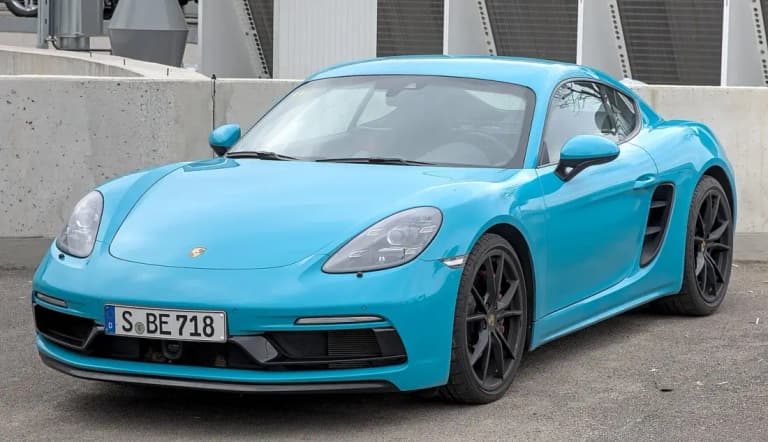
On a 718 the difference between Normal and Sport Plus is dramatic for such a small car. The throttle wakes up, the gearbox snaps, and the whole thing feels keener. It is one of the easiest cars in the range to recommend the package on.
On the Panamera and Cayenne
On the Panamera and the Cayenne the package brings the same modes and launch control to a large body. The Sport Response button makes a heavy car feel surprisingly alert, and a Cayenne with the package can shave several tenths off its 0 to 60 time.
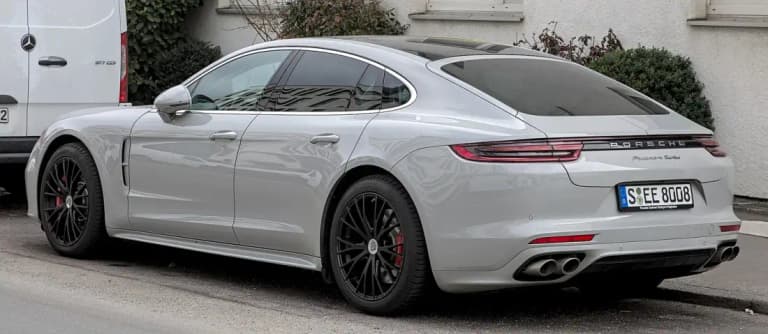
On these bigger cars the value is more about the modes than the timer. Few owners run laps in a Cayenne, but plenty use Sport mode on an on ramp or Individual mode for a long highway run. The package earns its keep through everyday sharpness rather than track use here.
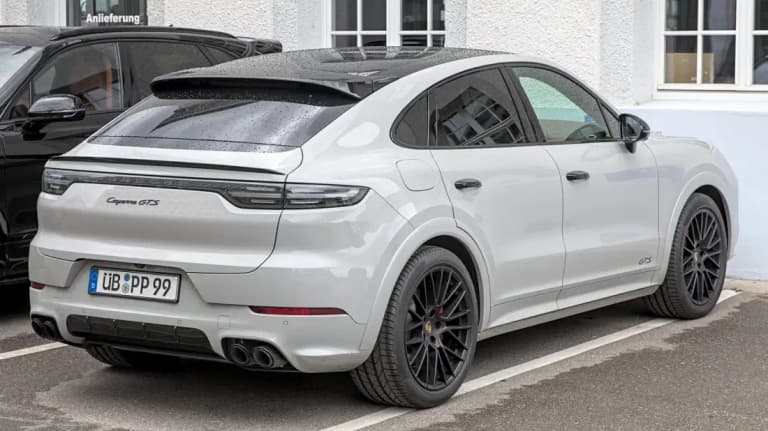
The Cayenne Coupe GTS is the model where the package makes the most sense on an SUV, since it already leans sporty. Launch control turns a two ton crossover into something genuinely quick off the line, and the firmer Sport Plus setting keeps the body in check through a fast corner.
On the Electric Taycan
On the electric Taycan the idea carries over but the hardware changes. There is no engine to remap and no turbo to spool, so the package focuses on the suspension, the launch control, and keeping the battery in its happy temperature window for repeated hard runs.
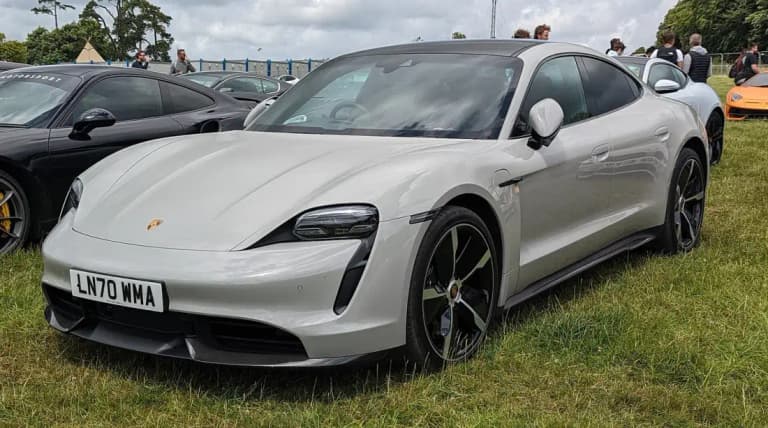
The dashboard chronograph is still there, now as a nod to tradition rather than a stopwatch for a flat six. Launch control on a Taycan Turbo S is its own kind of theater, since the car can repeat full power launches in a way a combustion car cannot. The package keeps the timing tools alive even as the powertrain leaves them behind.
How It Evolved
The package has changed a lot since it first appeared. Tracing the history shows how a single Sport button grew into a full control center on the steering wheel.
The 997 Origins
In the 997 era, Sport Chrono was a Sport button and the dashboard clock, with overboost on the turbo cars. The 997 set the template, but it was a simpler thing than what you get today. There was no mode dial and no Sport Response button. You pressed Sport, and the car got a touch keener.
That first version is still the one many buyers picture when they hear the name. It did the basics well, and the dashboard clock that defines the look of the package today started right there.
The 991 Mode Dial Era
The big leap came with the facelifted 991 generation around 2016, when Porsche added the steering wheel mode dial and the Sport Response button, borrowing the idea from the 918 Spyder. That turned Sport Chrono from a single button into a complete control center. You can trace the rest of the story in our 911 generations guide.
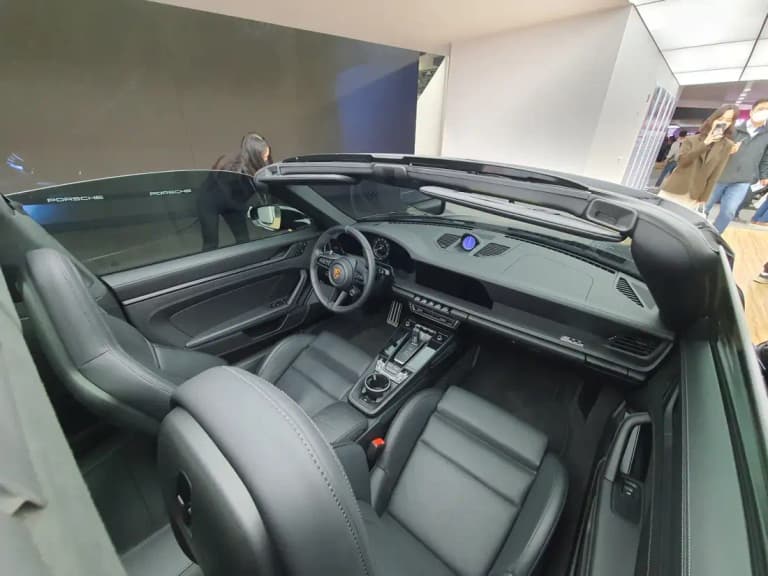
On the current 992 generation the analog clock shares the dash with a fully digital cockpit, and the lap timing ties into the Track Precision app. The app records detailed telemetry and video overlays from a track session, which is a long way from a single mechanical stopwatch. The core idea has not changed, but the tools around it have grown up.
Pricing and How to Order
Sport Chrono is a paid option on most cars and standard on a few of the focused ones, such as some GTS and GT models. The price depends on the model and changes year to year, so the right move is to check the figure in the official Porsche configurator for the exact car you want. As a rough guide it sits in the low four figures on a 911 and lands a little differently on the SUVs.
When you order a new car, ticking the box is the easy part. The harder question is what to pair it with. On a PDK car you get launch control as part of the deal, so the package and the PDK gearbox go together for most buyers chasing the quickest 0 to 60 time. On a manual car you still get the modes, the mounts, and the timer, just not launch control.
Retrofitting it later is the part to plan around. The dashboard clock and some software can sometimes be added, but the full function set is wired in at the factory. A complete retrofit is rarely practical or cheap, so the smart play is to order it new or to buy a used car that already has it. For value, the option holds up well at resale, which softens the up front cost over time.
Is It Worth It
The honest answer depends on the car and how you drive it. The package is not horsepower, so it will not make a slow Porsche fast. What it does is change how alive the car feels, and how much of that you value is the whole question.
For a Sports Car
For a sports car you plan to enjoy, the answer is usually yes. The modes and the Sport Response button genuinely change how the car drives, and the package holds its value on the used market. A 911 or a 718 without Sport Chrono can be a harder sell later, since so many buyers expect it.
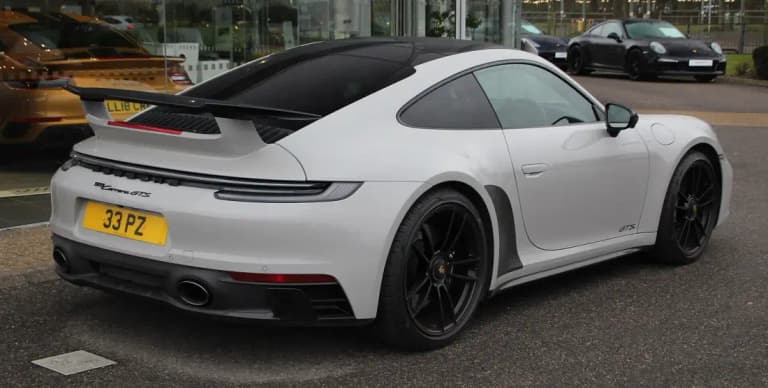
That resale angle matters when you read our 911 buyer’s guide. On the cars that already lean toward driving, like a GTS, the package fits the brief so well that skipping it feels like a false economy. If the engine note is also part of the draw, the package pairs beautifully with Porsche’s flat six engine.
For Daily Driving
On a daily driven SUV the case is softer. You will rarely use launch control on the school run, and the dashboard timer is mostly decoration in a Cayenne. The dynamic response is still nice to have, but it is easier to skip on a family car than on a sports car.
That said, Individual mode is the feature that earns the package its keep in daily driving. Set up a comfortable suspension with a sharp throttle and you get a car that is easy to live with and ready to play. If budget is the deciding factor, our guides to the most affordable Porsche models and the most expensive Porsche models show where the option tends to land across the range.
Frequently Asked Questions
What does the Porsche Sport Chrono Package do?
It sharpens how the car responds without changing horsepower. You get extra driving modes, faster throttle and transmission response, launch control on PDK cars, the Sport Response overboost button, and a dashboard stopwatch with lap timing.
Does Sport Chrono add horsepower?
No. It does not change peak power or torque. It changes engine, transmission, and chassis behavior, which typically trims about 0.2 seconds off the 0 to 60 mph time on PDK cars, mostly through launch control.
What is the Sport Response button?
It is the button in the center of the mode dial. Press it and the car gives you 20 seconds of maximum responsiveness, with the sharpest throttle map and the right gear already selected, for an overtake. After 20 seconds it returns to the previous setting.
Is the Sport Chrono Package worth it?
On a 911 or a sports car you plan to drive hard, most enthusiasts say yes, both for the driving modes and for resale. On a daily driven SUV the case is weaker, since you rarely use launch control or the dashboard timer.
Can you retrofit Sport Chrono later?
Partly. The dashboard clock and some software can sometimes be added, but the full function set is wired in at the factory, so a complete retrofit is rarely practical or cheap. It is far simpler to order it new.
Images: Hero (992 Carrera S) by Alexander Migl, CC BY-SA 4.0; 991 cockpit by KarleHorn, CC BY 3.0; 718 interior by Vauxford, CC BY-SA 4.0; 992 Turbo S by Alexander Migl, CC BY-SA 4.0; 718 Cayman GTS by Alexander Migl, CC BY-SA 4.0; Panamera Turbo by Alexander Migl, CC BY-SA 4.0; Taycan Turbo S by Calreyn88, CC BY-SA 4.0; 911 Carrera GTS by MrWalkr, CC BY-SA 4.0; 992 interior by Damian B Oh, CC BY-SA 4.0. Via Wikimedia Commons.