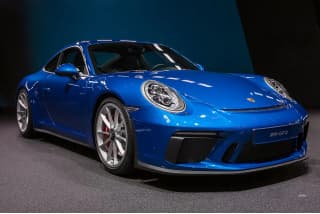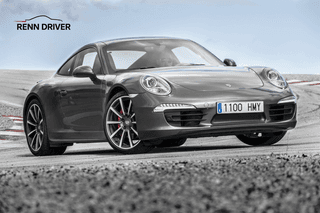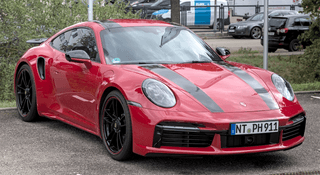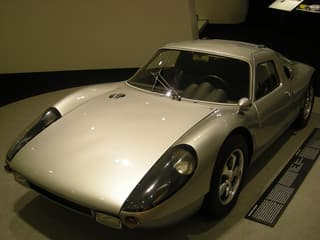
Quick answer: The Porsche 911 has eight generations: the original 911, G-Series, 964, 993, 996, 997, 991, and the current 992. The first four are air-cooled, and the 996 switched to water cooling in 1997. Owners and listings name each one by its code, such as 993 or 997.
In this article, we'll put Porsche 911 generations in order. We'll cover generation codes, major changes, and naming logic.
Some model years overlap because Porsche introduced a new generation before the previous one had left every market. For a broader look at the car, read our full Porsche 911 guide. For the anniversary models, see the 911 anniversary editions.
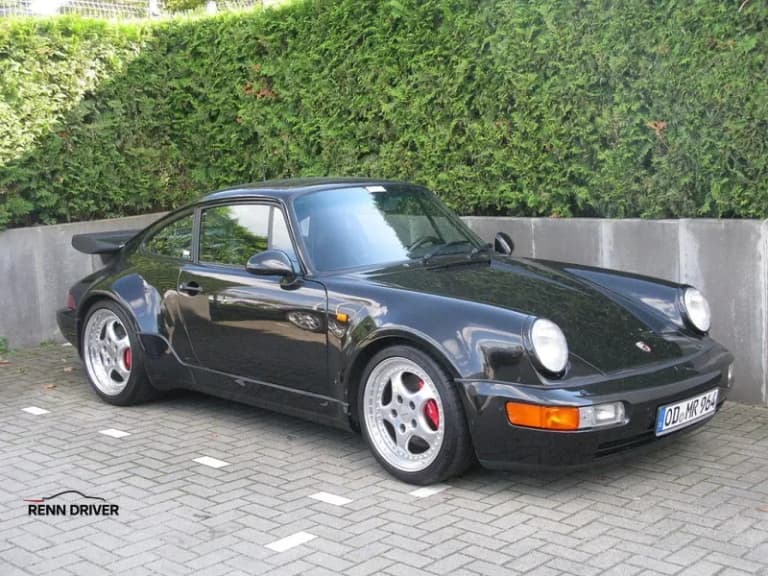
Contents
- 1 Quick Summary
- 2 Every 911 Generation at a Glance
- 3 How the Porsche 911 Naming Convention Works
- 4 Performance and Technology: Evolution Through the Generations
- 5 1st Generation: Porsche 911 (1963-1973)
- 6 2nd Generation: G-Series (1974-1989)
- 7 3rd Generation: Porsche 964 (1989-1994)
- 8 4th Generation: Porsche 993 (1994-1998)
- 9 5th Generation: Porsche 996 (1997-2005)
- 10 6th Generation: Porsche 997 (2004-2012)
- 11 7th Generation: Porsche 991 (2011-2019)
- 12 8th Generation: Porsche 992 (2019-Present)
- 13 Pop Culture and Legacy
- 14 Frequently Asked Questions
- 14.1 1. What are the different generations of the Porsche 911?
- 14.2 2. Why do people refer to Porsche 911s by numbers like 993 or 997?
- 14.3 3. Which Porsche 911 generation is the best?
- 14.4 4. When did Porsche switch from air-cooled to water-cooled engines?
- 14.5 5. What do 911 model names like Carrera, Turbo, and GT3 mean?
- 14.6 6. What’s the difference between a 997.1 and 997.2?
- 14.7 7. Which Porsche 911 models are air-cooled?
- 14.8 8. What is the most reliable 911 generation?
- 14.9 9. Which Porsche 911 generation is best for daily driving?
- 14.10 10. How do I tell Porsche 911 generations apart?
- 15 Renn Driver's Take
- 16 Final Thoughts
Quick Summary
- Generations: Eight, from the original 911 to the current 992.
- Current generation: 992, on sale since 2019, with the 992.2 update from 2024.
- Air-cooled 911s: Original 911, G-Series, 964, and 993, through the 1998 model year.
- Water-cooled 911s: Every 911 from the 996 onward, starting in 1997.
- Longest run: G-Series, 1974 to 1989.
- First all-wheel drive: 964 Carrera 4, from 1989.
- First PDK gearbox: 997.2, from 2009.
- First turbocharged Carrera: 991.2, from 2016.
- First hybrid: 992.2 Carrera GTS T-Hybrid, from 2024.
Every 911 Generation at a Glance
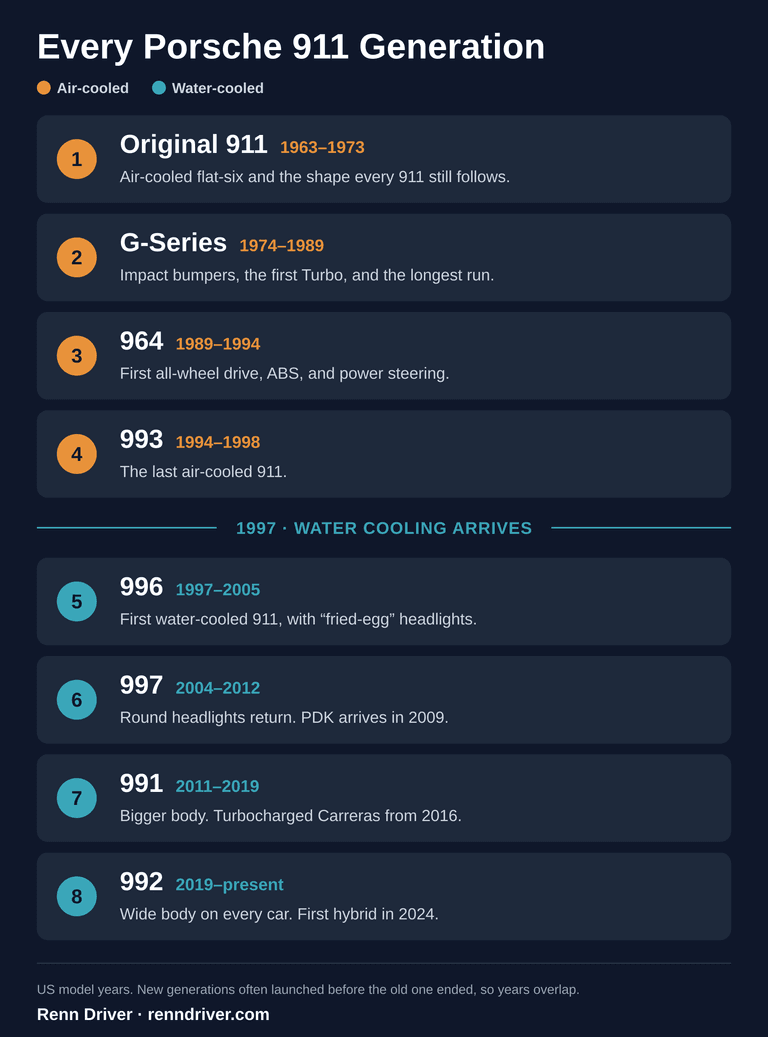
Here are all eight 911 generations in order, with the year range and what changed. The years follow the model-year convention, which is how most listings and buyers talk about these cars.
| Generation | Years | Key Features |
|---|---|---|
| 901 / Original | 1963-1973 | Air-cooled start, classic shape, 2.0L engine |
| G-Series | 1974-1989 | Longest run, impact bumpers, Turbo introduced |
| 964 | 1989-1994 | ABS, power steering, AWD, modern tech begins |
| 993 | 1994-1998 | Last air-cooled 911, smoother styling, cult favorite |
| 996 | 1997-2005 | First water-cooled, new headlights, faster, and roomier |
| 997 | 2004-2012 | Round headlights return, PDK and direct injection from 2009 |
| 991 | 2011-2019 | Larger body, electric steering, turbocharged Carreras from 2016 |
| 992 | 2019-present | Digital interior, wide body standard, turbocharged range, T-Hybrid GTS from 2024 |
Production years vs model years. Porsche's official construction periods do not line up with US model years, which is why sources disagree about where one generation stops. Porsche lists the 964 as built from 1989 to 1993, but US cars were sold as model years 1989 to 1994. The 993 was built from 1993 to 1997 and sold in the US as model years 1995 to 1998. This page uses model years, so expect a one-year offset against Porsche's own construction dates.
A note on power figures. Every horsepower number on this page is US hp. Porsche publishes most of these engines in PS, which reads about one percent higher, so a car Porsche calls 500 PS is 493 hp here. That is where a lot of the conflicting figures online come from.
Watch Every Porsche 911 Generation Explained
Prefer to watch the story first? This video walks through all eight Porsche 911 generations, from the original 901 to the current 992, highlighting the major design, engine, and technology changes along the way.
How the Porsche 911 Naming Convention Works
Every Porsche 911 is called a “911,” but that’s just the starting point. Behind the scenes, Porsche uses internal codes and trim names to track each generation and variant.
Enthusiasts often refer to both the generation code and the model year to specify a particular Porsche 911, since the model year highlights updates, design changes, and features introduced in each version. If you’re getting into 911s, knowing these names will help you follow conversations, listings, and articles more easily.
1. Generational Codes
The internal codes are what Porsche uses to label each full platform update. These usually appear in factory documentation, parts systems, and enthusiast circles. The codes change with each generation.
| Generation | Internal Code | Years | Notes |
|---|---|---|---|
| 1st | 901 / 911 | 1963-1973 | Originally called 901, renamed 911 due to the Peugeot trademark |
| 2nd | G-Series | 1974-1989 | Impact bumpers arrive for model year 1974 to meet US crash rules. Porsche built this body from 1973 to 1989. |
| 930 | 1975-1989 | Factory code for the Turbo model, not the whole G-Series generation | |
| 3rd | 964 | 1989-1994 | Major refresh with ABS, AWD, airbags |
| 4th | 993 | 1994-1998 | Last air-cooled 911 |
| 5th | 996 | 1997-2005 | First water-cooled engine, new styling |
| 6th | 997 | 2004-2012 | Return to round headlights, modern classic feel |
| 7th | 991 | 2011-2019 | Longer, wider, and more refined |
| 8th | 992 | 2019-present | Premiered November 2018, built since 2019; wide body standard, 992.2 refresh from 2024 |
Key Insight: Most enthusiasts refer to 911s by these codes. Instead of saying “a 2004 Porsche 911,” they’ll say “a 996 Carrera” or “a 996.2 Turbo.” It’s quicker and gives more detail.
One code is a nickname rather than a factory designation. Porsche's own 60 Years of the 911 press kit points out that “G-Series” technically covers model year 1974 only. The 1975 cars were the H-Series, 1976 the J-Series, 1977 the K-Series, and from 1980 Porsche switched to the A-Programme naming. Enthusiasts kept using G-Series for the whole 1973 to 1989 run, and that is how you will see it written everywhere, including on this page.
2. Trim Levels and Variants
After the generation code, the next detail is the trim. This tells you what kind of engine, drivetrain, or setup the car has. Porsche has used a consistent set of badges over the years, though meanings can shift slightly by generation.
| Variant | Meaning |
|---|---|
| Carrera | Base model 911 (entry-level version; modern versions are turbocharged) |
| Carrera S | More power and upgraded suspension or brakes |
| Carrera 4 | All-wheel drive version |
| Targa | Open-top with a distinctive roll bar; modern versions feature a complex retractable roof system with a glass rear section |
| Turbo | Turbocharged flagship with a wider body and more power; twin turbos arrived with the 993 |
| GT3 | Track-focused, naturally aspirated |
| GT2 | Track-focused, turbocharged, rear-wheel drive |
| GTS | Mid-range performance trim with added features |
| RS | “Rennsport,” an ultra-focused track version |
| .1 vs .2 | Indicates facelift or update during the generation (example: 997.1 vs 997.2) |
Example
A “991.2 GT3 RS” means it’s the facelifted version of the seventh-generation GT3 RS, made between 2017 and 2019.
3. How Enthusiasts Talk
Once you know the system, reading Porsche forums, listings, or conversations becomes much easier. Here are some common formats and terms you’ll see.
Examples:
- 992 Turbo S: the current top-tier Turbo model.
- 997.2 Carrera 4S cab: a facelifted 997 Carrera 4S convertible.
- Clean 993 C2S: C2 means Carrera 2 (rear-wheel drive), while S identifies the higher-output model.
Common shorthand:
- “C2” = Carrera 2, rear-wheel drive
- “C4” = Carrera 4, all-wheel drive
- “NA” = Naturally aspirated
- “.1” and “.2” = Pre-facelift and post-facelift versions
Once you understand the format, it becomes second nature. It also helps explain why 911 discussions can sound like code at first. It’s just a mix of model, trim, and generation.

Performance and Technology: Evolution Through the Generations
The 911 has been in production since 1963, and the basic recipe never moved. Rear engine, flat-six, and a roofline you can pick out at a distance. Almost everything else changed, and knowing the order helps when you are reading listings.
Through the air-cooled era the engine simply grew. The original 2.0 liter unit made about 128 hp; by the 964 and 993 the flat-six was 3.6 liters and the Carrera made close to 270 hp. Mechanical fuel injection, bigger brakes, and coil-spring suspension on the 964 all arrived along the way. All-wheel drive came with the 964 Carrera 4, developed out of Porsche's rally program.
The 1975 Turbo was the first real step change. Porsche's own Turbo history puts the 3.0 liter 930 at 250 km/h, or about 155 mph, with the whale tail spoiler and the lag that came with a single large turbocharger. The 3.3 liter cars that followed were faster still.
Water cooling arrived with the 996 in 1997. It let Porsche raise power and meet tighter emissions and noise rules, and it changed the engine note in a way owners still argue about. Porsche Stability Management came in during this generation as well, first on the all-wheel-drive Carrera 4.
Turbocharging then spread to the regular cars. From the 991.2 in 2016, every Carrera used a turbocharged flat-six, which raised torque and fuel economy at the cost of the old high-rpm sound. The 991 also brought rear-axle steering and adaptive aerodynamics, and PDK became the default gearbox across most of the range.
The newest step is hybrid, and it is smaller than the word suggests. The 992.2 Carrera GTS uses a 3.6 liter flat-six with an electrically driven turbocharger and an electric motor inside the gearbox, for a total system output of 532 hp. It is a performance hybrid rather than a fuel-saving one, and there is no plug.
1st Generation: Porsche 911 (1963-1973)
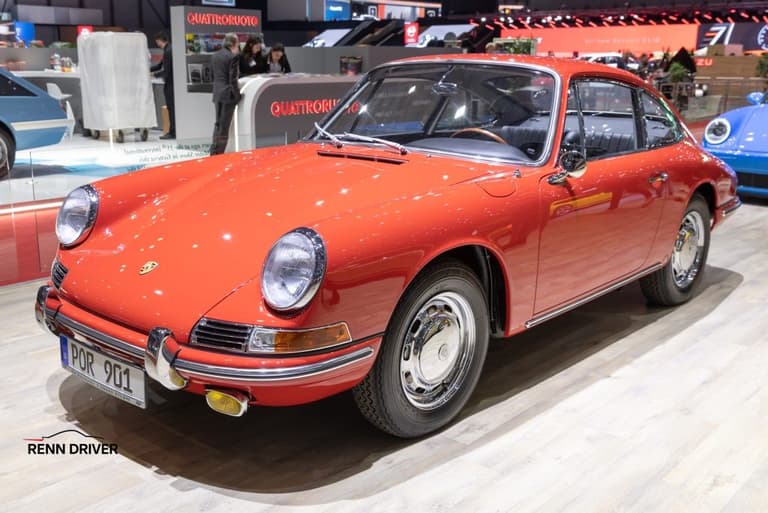
The first-generation 911 started life as the Porsche 901. Just before production began, Peugeot claimed rights to any car names with a zero in the middle. Porsche changed it to 911 during that first production year, and the name stuck. The car debuted at the 1963 IAA in Frankfurt and went on sale in 1964, setting the rear-engine layout and air-cooled flat-six that every 911 since has used.
The original 911 was powered by a 2.0-liter flat-six engine. It had rear-wheel drive, a five-speed manual, and simple mechanicals. Early cars made about 128 hp, but they were light and quick for the period.
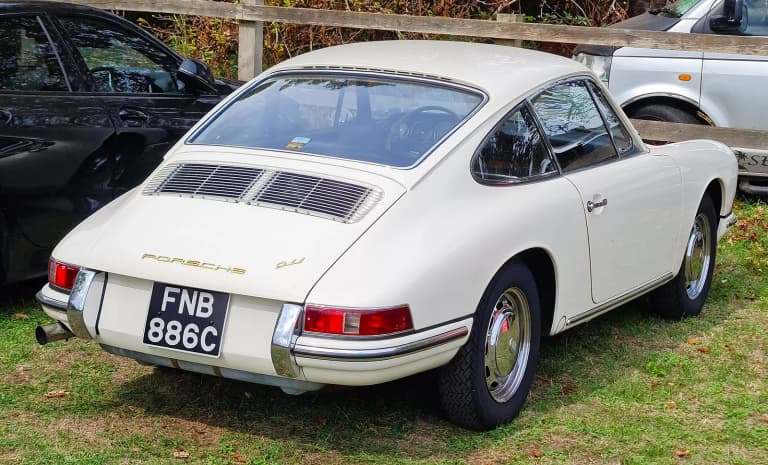
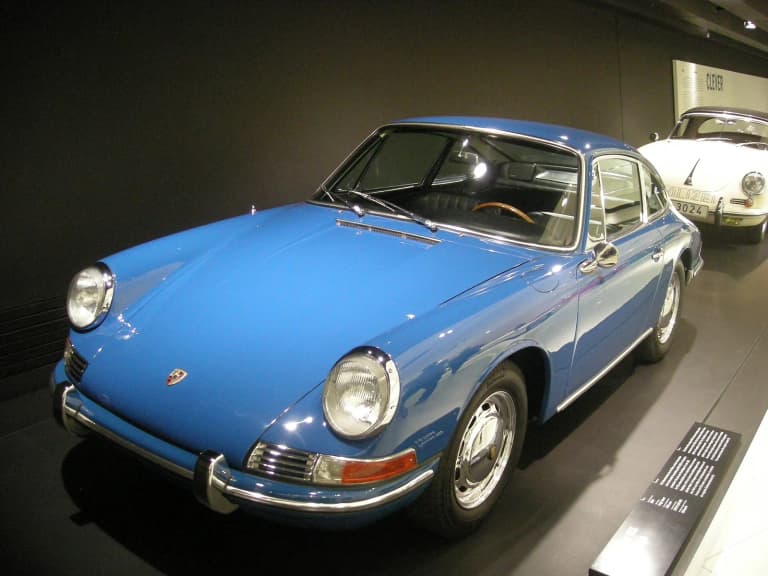
It kept the spirit of the 356 but was more refined and better balanced. Porsche improved it each year, adding stronger engines and better handling.
Key Specs:
- 2.0L air-cooled flat-six
- Around 2,400 pounds
- Rear-engine, rear-wheel drive
- Manual transmission only
Motorsport Legacy: The early 911s were quick, dependable, and easy to modify, making them a great choice for privateers in rally and endurance racing. Even in its first years, the 911 earned class wins and podiums. The foundation for later high-performance evolutions, including the first Turbo, was set by the 911's inherent sporting capabilities.
Fun Fact: The 911 Targa was introduced in 1967. It had a removable roof panel and a fixed roll bar for safety, which was a new idea at the time.
2nd Generation: G-Series (1974-1989)
The G-Series is the longest-running 911 generation. It lasted for 16 model years and saw many changes, both inside and out.
One of the biggest visual updates came in 1974. New safety rules led Porsche to redesign the bumpers. They added black rubber bellows between the bumper and body, which became a defining look for years.
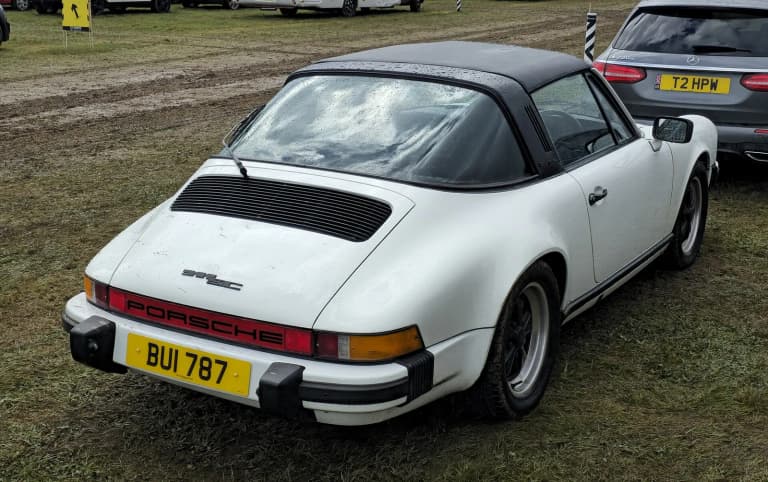
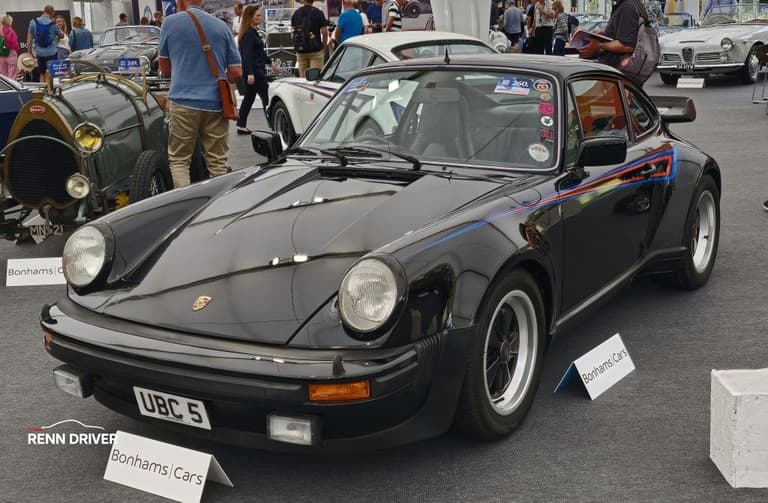
Performance kept improving. The engine grew in size and power. In 1975, Porsche released the first Porsche 911 Turbo, known as the 930. The 911 Turbo had wide fenders, a large rear wing, and serious power. It also had turbo lag, which made it exciting and a little unpredictable. Porsche's Turbo history puts the 3.0 liter car at 250 km/h, or about 155 mph. The 3.3 liter Turbos that followed from 1978 were faster again.
Other models in this generation include the 911 SC and the 3.2 Carrera. The 911 SC, or 'Super Carrera', was designed for improved reliability and accessibility, featuring a 3.0L engine with better performance and corrosion resistance. Its production run lasted from 1978 to 1983, and a cabriolet version was introduced in 1983. These cars added reliability, comfort, and better drivability without losing the feel of the original.
Highlights:
- Bumpers redesigned to meet US crash laws
- Engine range: 2.7L to 3.3L, including turbocharged variants
- First use of turbocharging in a production Porsche
- Available in coupe, Targa, and convertible
Motorsport Legacy: The G-Series was the foundation for some of Porsche’s greatest race cars. Models like the Carrera RSR and the 935 were based on the 911 shell but heavily modified. These cars won major events, including Daytona and Le Mans.
Fun Fact: Porsche positioned the front-engine 928 as the 911’s successor when it launched in 1977. The 911 kept selling, so both stayed in the range, and the 928 was the one that eventually stopped.
3rd Generation: Porsche 964 (1989-1994)
The 964 marked the start of major updates to the 911. It still looked like the older models at first glance, but underneath it was almost completely new.
Porsche added ABS, power steering, and, for the first time, all-wheel drive. The new suspension replaced torsion bars with coil springs, improving ride quality and handling.
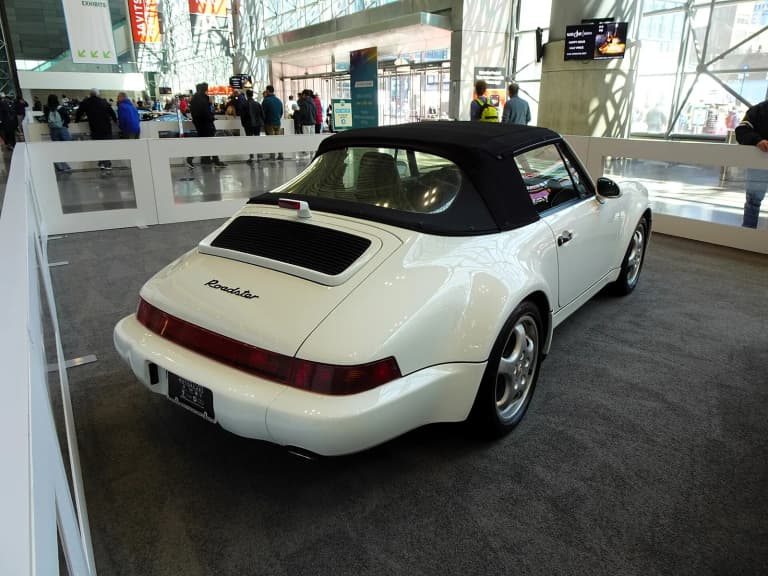
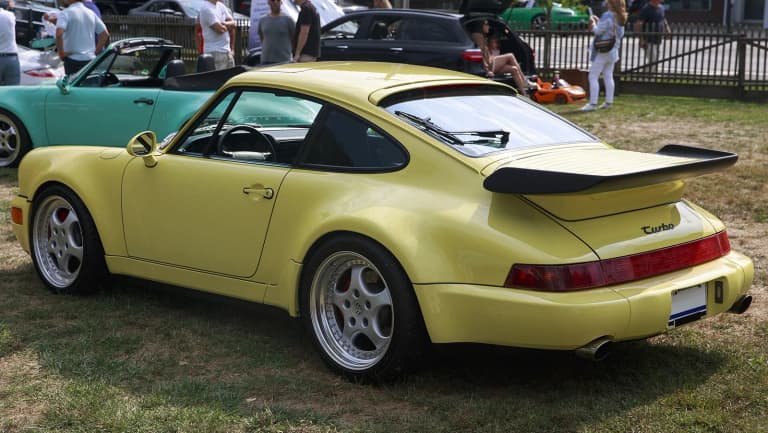
The base Carrera 2 had rear-wheel drive and, from 1990, the option of a four-speed Tiptronic automatic. That was a first for the 911. The Carrera 4 came with Porsche’s new all-wheel drive system, developed from their rally racing efforts. Later, the 964 Turbo brought even more power to the lineup.
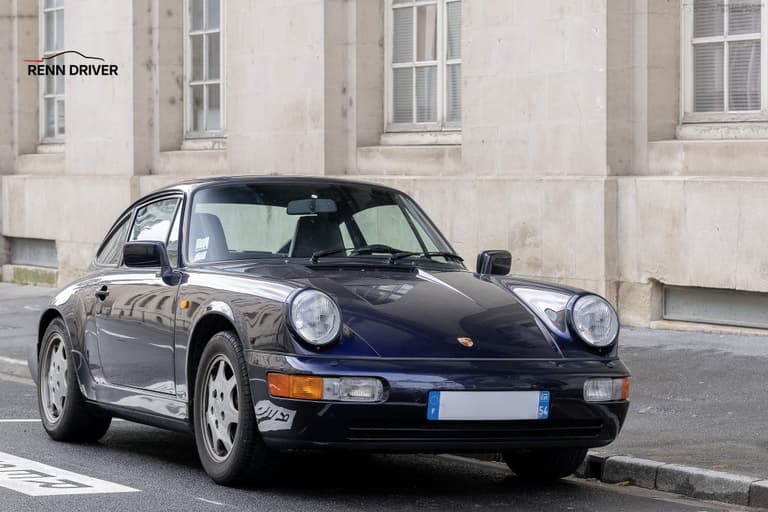
Key Specs:
- 3.6L flat-six engine
- 247 to 355 hp, depending on model
- Available AWD or RWD
- First use of a retractable rear spoiler
- First 911 offered with an automatic, the four-speed Tiptronic, from 1990
Motorsport Legacy: The 964 led to the creation of the Carrera Cup and was the base for many race cars in the early 1990s. These included the RSR and specialized track versions.
Fun Fact: Porsche redesigned most of the 964 under a body that still read as a G-Series, which is why plenty of buyers underrated it when it was new.
4th Generation: Porsche 993 (1994-1998)
The 993 was the last air-cooled 911. That alone makes it important, but it is also widely regarded as one of the best-driving versions ever made.
Porsche introduced the 993 as a new model with a smoother design, more integrated bumpers, and a wider rear. The engine was refined, and the new multi-link rear suspension made the car more stable, especially in corners. It felt more modern than the cars before it, but it still kept the raw driving feel that people loved.
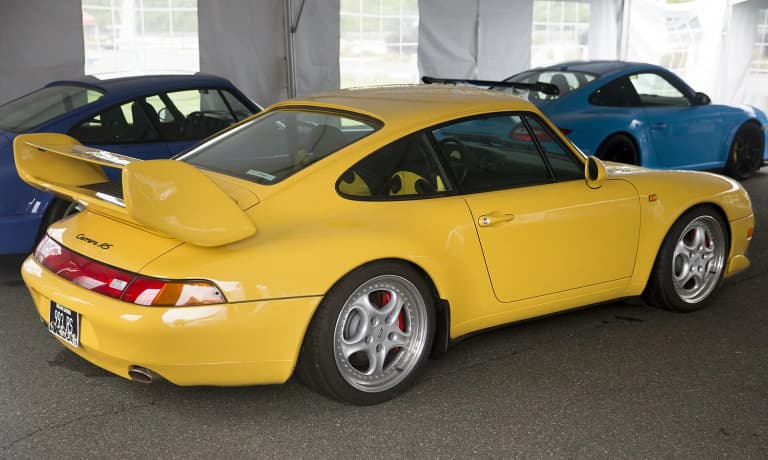
The Porsche 993 Turbo introduced all-wheel drive and twin turbochargers to the 911 Turbo for the first time. Other standouts included the Carrera S, the wide-body but naturally aspirated Carrera 4S, and the lightweight Carrera RS.
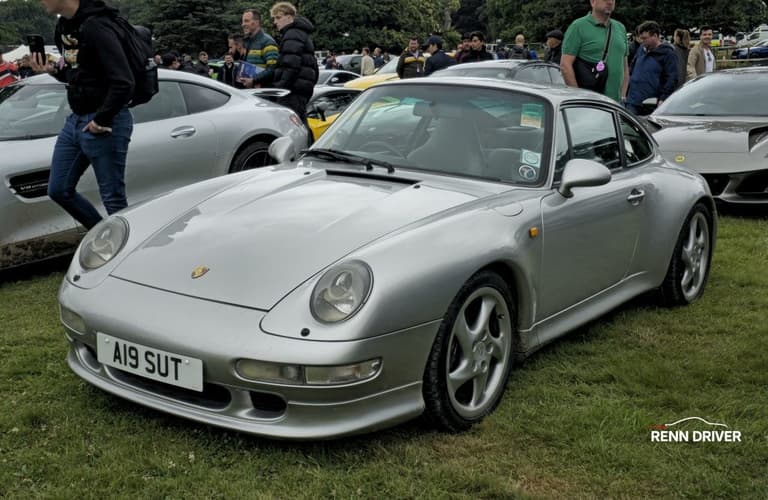
Key Specs:
- 3.6L air-cooled flat-six
- 268 to 444 hp
- First twin-turbocharged 911 Turbo
- Multi-link rear suspension
Motorsport Legacy: The 993 GT2 was built for racing and homologation. It had rear-wheel drive, huge fenders, and very little in the way of driver aids. It was fast, focused, and became a favorite for collectors and racers alike.
Fun fact: The 993 was the first 911 to use a six-speed manual transmission as a standard. Earlier models had five speeds or fewer.
5th Generation: Porsche 996 (1997-2005)
The 996 marked the beginning of a new era. Porsche switched from air cooling to water cooling for the first time. This allowed for better performance and emissions, but it also changed the sound and feel of the engine.
The design was a big shift. The headlights were larger and shared with the Boxster, which gave the front end a softer look. Some fans pushed back on the changes, but the 996 offered major performance gains and better comfort.
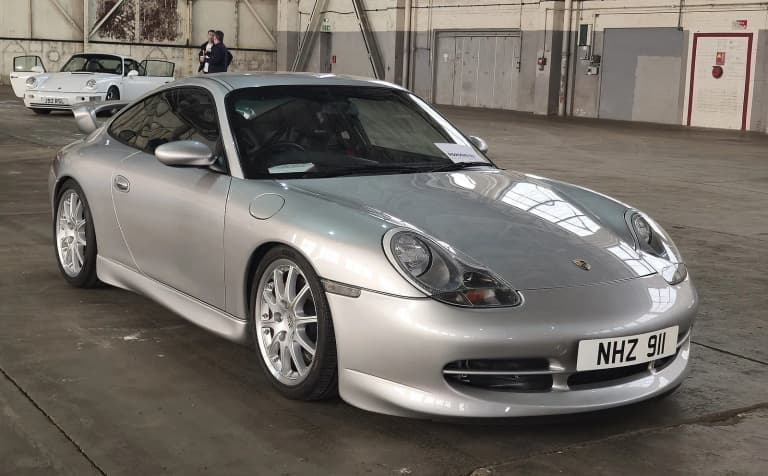
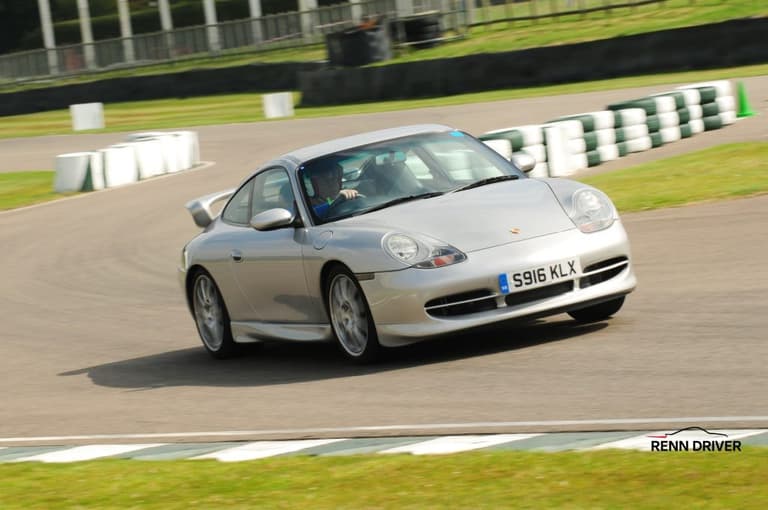
The Porsche 911 Carrera was a core model in the 996 lineup, known for its balance of everyday usability and sports car performance. The 996 Turbo was a standout, with 414 hp and all-wheel drive. It could keep up with supercars of the time while being reliable enough to drive every day.
Key Specs:
- 3.4L and later 3.6L water-cooled flat-six
- 296 to 476 hp
- Introduced Porsche Stability Management, first on the Carrera 4
- First GT3 and GT2 models introduced
Motorsport Legacy: The 996 GT3 brought Porsche back into high-performance racing with a road-legal version of its track cars. Lightweight construction played a key role in the GT3's agility and speed, helping it become a favorite in club racing and laying the foundation for the modern GT3.
Fun Fact: The 996 shares many parts with the original Boxster, including its headlights and interior switches. This helped Porsche reduce costs during a tough financial period.
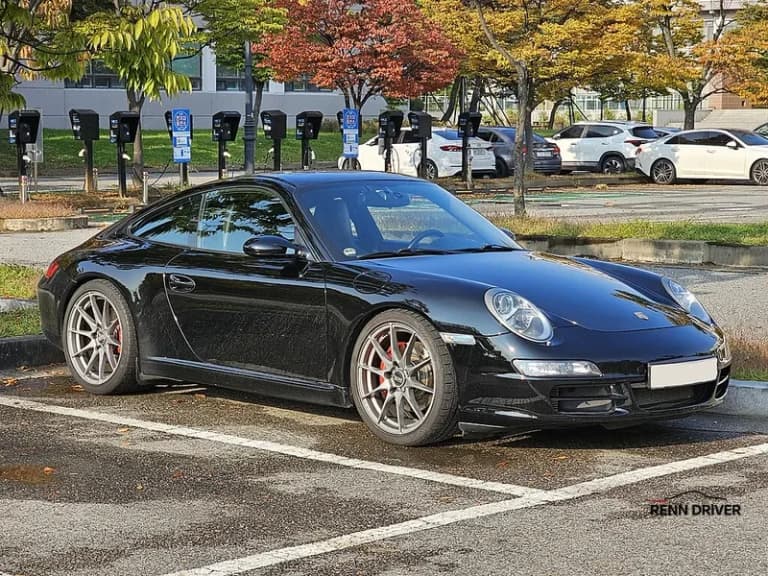
6th Generation: Porsche 997 (2004-2012)
With the 997, Porsche brought back the traditional round headlights and a more classic look. The styling was sharper, the cabin was more refined, and the car as a whole felt more polished.
Performance improved across the board. Engines got stronger, and Porsche added new features like active suspension. Porsche Active Suspension Management (PASM) debuted, giving drivers more control over ride and handling.
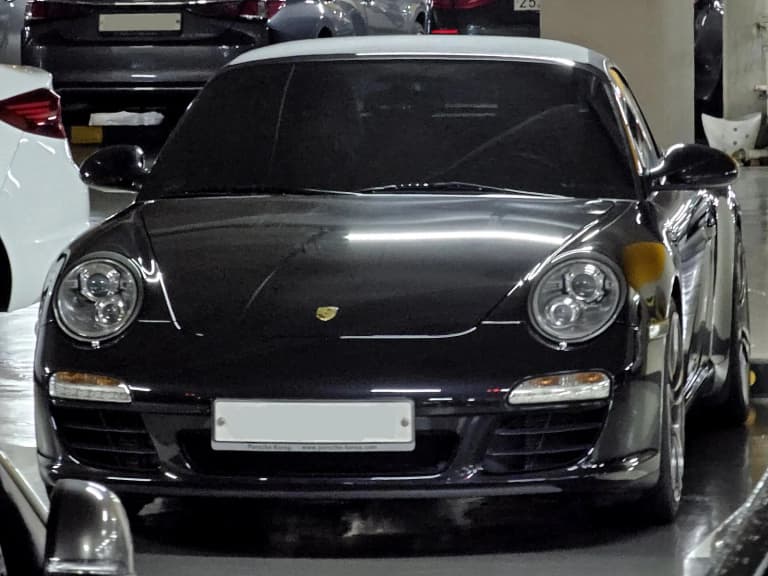
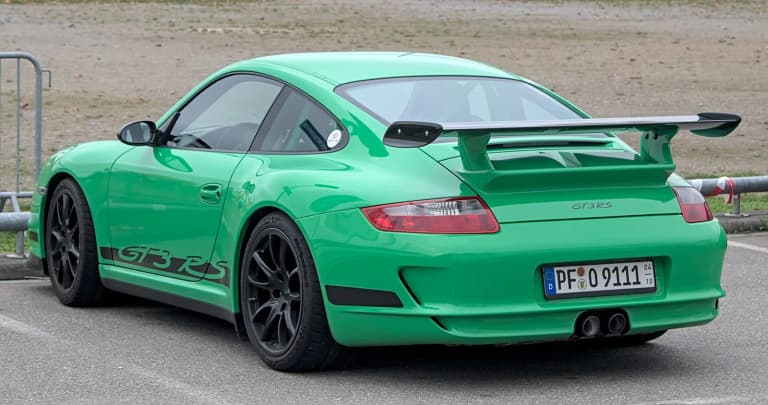
Higher-performance variants also offered larger brakes, enhancing stopping power and overall driving performance. The lineup grew quickly, with over 20 different variants by the end of production.
The second phase of the 997, starting in 2009, introduced direct fuel injection and the new PDK dual-clutch transmission. It made the 911 faster and more efficient, with quicker shifts and better fuel economy.
Key Specs:
- 3.6L and 3.8L flat-six engines
- Up to 523 hp in the Turbo S
- Available with PDK or six-speed manual
- First 911 with launch control
Motorsport Legacy: The 997 GT3 RSR and Cup cars were used in racing series around the world. They became the go-to cars for private teams and brought Porsche many wins in GT racing.
Fun Fact: Porsche offered a special 911 Sport Classic in very limited numbers. It had a ducktail spoiler and retro styling inspired by the Carrera RS 2.7 of the 1970s, known for its lightweight design, groundbreaking aerodynamics, and motorsport homologation.
7th Generation: Porsche 991 (2011-2019)
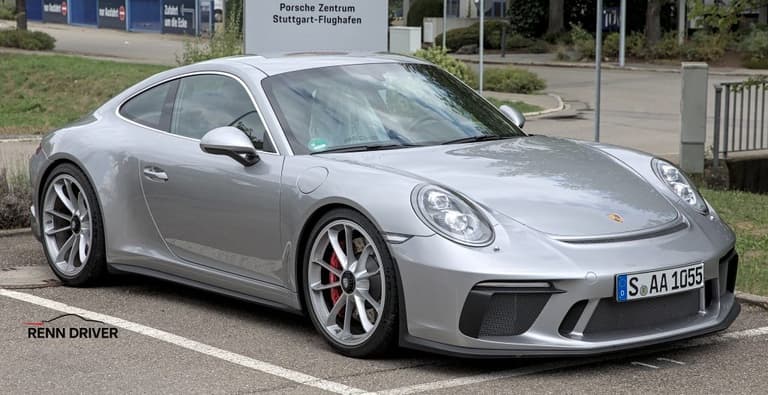
The 991 was a longer, wider, and more advanced 911 on an all-new platform. The chassis used aluminum to reduce weight while adding strength, and featured a wider track that enhanced stability, handling, and overall performance.
Inside, the layout took inspiration from the Panamera, with a center console rising toward the dash. The ergonomic steering wheel offered available paddle shifters, giving drivers precise, manual-like control during high-performance driving.
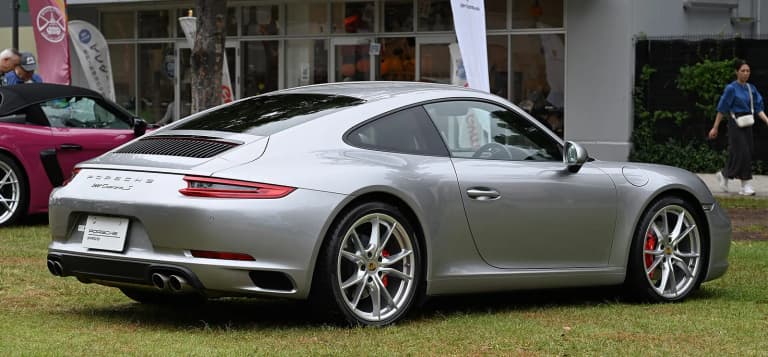
The 991.1 Carrera models remained naturally aspirated. The 991.2 facelift moved the regular Carrera range to twin-turbo engines, increasing torque despite the smaller displacement. While the sound and feel changed, the performance gains were clear. The 911 became faster, more fuel-efficient, and more refined.
The 991 also introduced rear-axle steering, improved aerodynamics, and even more driving modes. It was the most flexible 911 yet, able to switch from comfortable cruiser to track car at the push of a button.
Key Specs:
- Naturally aspirated Carrera engines in the 991.1; twin-turbo Carreras from the 991.2 facelift
- 345 to 690 hp across the range
- Dual-clutch PDK standard in most models
- Available rear-axle steering and adaptive dampers
Motorsport Legacy: The 991 RSR and Cup cars continued Porsche’s success in endurance racing. Porsche took class wins at Le Mans and other major events using this platform.
Fun Fact: Porsche built a limited run of 991 cars called the 911 R, with no wing, a manual gearbox, and a naturally aspirated engine. It became a collector car immediately.
8th Generation: Porsche 992 (2019-Present)
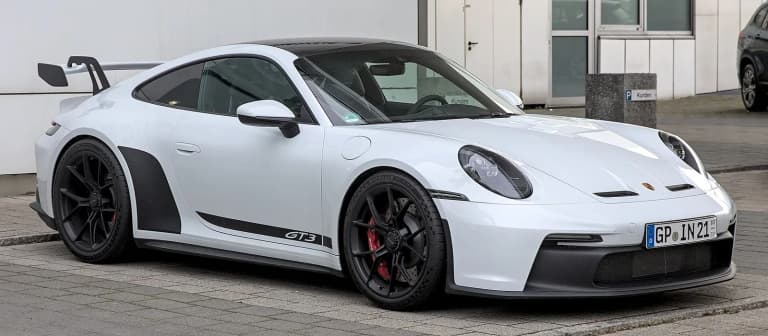
The 992 had its world premiere in November 2018, and Porsche dates construction from 2019. It brought the wide body to every model, a digital instrument cluster either side of a central analog tachometer, and a much larger touchscreen. The steering wheel was redesigned around paddle shifters and integrated drive-mode controls.
Split the generation in two and it gets easier to shop. The 992.1 ran from 2019, with the Carrera at 379 hp and the Carrera S at 443 hp. The 992.2 refresh arrived for 2024 and lifted the base Carrera to 388 hp, revised the front and rear ends, and dropped the last analog gauge for a fully digital display.
The 992.2 also brought the first road-going hybrid 911. The Carrera GTS uses a 3.6 liter flat-six with an electrically driven turbocharger and an electric motor built into the gearbox, for 532 hp of system output and 0 to 60 mph in 2.9 seconds. The 992.2 Turbo S sits above it at 701 hp. Sport Chrono remains an option lower down the range.

Special models like the 911 Dakar, Sport Classic, GT3, and the limited-edition 911 S/T offer different flavors. The S/T is the lightest 992 ever built, with a naturally aspirated GT3 engine, manual-only gearbox, and just 1,963 units produced to mark the 911’s 60th anniversary. Some models are off-road inspired. Others go back to old-school driving with manual transmissions and naturally aspirated engines.
Key Specs:
- Twin-turbo 3.0L and 3.8L flat-six, plus a 3.6L T-Hybrid in the Carrera GTS from 2024
- 379 hp in the 992.1 Carrera, 388 hp in the 992.2 Carrera, up to 701 hp in the 992.2 Turbo S
- Naturally aspirated 4.0L flat-six in the GT3, and 518 hp in the GT3 RS
- Full-width light bar and adaptive aerodynamics
Motorsport Legacy: The 992 GT3 R and Cup cars are already racing in major series. The platform continues Porsche’s run of building reliable, fast, and balanced race cars.
Fun Fact: The 911 now has a “Wet Mode” that can detect water on the road and adjust the car’s settings to reduce the chance of losing grip.
Pop Culture and Legacy
The 911 has been on screen almost as long as it has been on sale. Steve McQueen drove his slate gray 911 S in the opening minutes of Le Mans in 1971. The model has since appeared regularly in films and in the Gran Turismo, Forza, and Need for Speed games. That exposure helps a shape drawn in the early 1960s remain immediately recognizable.
Frequently Asked Questions
1. What are the different generations of the Porsche 911?
There are eight main generations of the Porsche 911, each marked by a major platform update and an internal code. These include:
- 901 / 911 (1963-1973)
- G-Series (1974-1989)
- 964 (1989-1994)
- 993 (1994-1998)
- 996 (1997-2005)
- 997 (2004-2012)
- 991 (2011-2019)
- 992 (2019-present)
Each generation introduced new technology, performance upgrades, and design changes while keeping the 911’s rear-engine layout and signature look.
2. Why do people refer to Porsche 911s by numbers like 993 or 997?
These are internal Porsche model codes that identify each generation. Porsche doesn’t always market them publicly, but enthusiasts use them to talk about specific versions. Saying “996” or “993” is a quick way to reference major updates like the switch to water cooling or the last air-cooled model.
3. Which Porsche 911 generation is the best?
It depends on what you value.
- 993 is loved for being the last air-cooled and having great build quality.
- 997 blends modern performance with classic looks.
- 992 is the most advanced and fastest yet.
There is no single “best” 911. It comes down to driving style, budget, and how connected you want to feel to the road.
4. When did Porsche switch from air-cooled to water-cooled engines?
Porsche made the switch with the 996. It launched in Europe in 1997 and reached US buyers as a 1999 model year car, which is why you see both dates quoted. Water cooling allowed better emissions control, more power, and improved reliability. The 993 before it was the last air-cooled 911, built until 1997 and sold in the US through the 1998 model year.
5. What do 911 model names like Carrera, Turbo, and GT3 mean?
They refer to the trim level or performance variant:
- Carrera: Base model
- S: More power and upgrades
- 4: All-wheel drive
- Turbo: Turbocharged flagship with a wider body; early models used one turbo and twin turbos arrived with the 993
- GT3: Track-focused, naturally aspirated
- GTS: Sporty upgrade above the Carrera S
- RS: Rennsport, the most focused track versions
Each adds a layer of performance, comfort, or specialization to the platform.
6. What’s the difference between a 997.1 and 997.2?
“.1” and “.2” refer to pre-facelift and post-facelift versions of a generation.
- 997.1 ran from 2005 to 2008.
- 997.2 ran from 2009 to 2012 and introduced direct fuel injection, the PDK transmission, and updated styling.
It’s a helpful way to spot subtle upgrades without needing to look up the model year.
7. Which Porsche 911 models are air-cooled?
Only the first four generations:
- 901 / 911 (1963-1973)
- G-Series (1974-1989)
- 964 (1989-1994)
- 993 (1994-1998)
After that, every 911 is water-cooled. The 996 started that run, launching in Europe in 1997 and arriving in the US for the 1999 model year.
8. What is the most reliable 911 generation?
The 997.2 (2009-2012) is often praised for reliability. It fixed issues found in the earlier 996 and 997.1, added better electronics, and introduced the PDK dual-clutch transmission. The 991 is also very solid, especially in non-Turbo trims.
9. Which Porsche 911 generation is best for daily driving?
The 997.2 and 991 strike the best balance between comfort and performance. They offer modern tech, quieter cabins, and better ride quality without giving up the 911 feel. If you want the most features, the 992 is hard to beat.
10. How do I tell Porsche 911 generations apart?
Look at the headlights, body shape, and interior layout.
- 964 and 993 have classic round lights with air-cooled styling
- 996 has “fried egg” headlights
- 997 brings back round lights
- 991 and 992 are larger, more refined, and have wide rear light bars
Learning the internal codes helps too. Once you know them, the differences become clear. - Decode the VIN to confirm the model year, then check the model code or physical details when two generations overlap in the same year.
Renn Driver's Take
So far, I’ve only driven the 991.2. I rented one in Bangkok and took it on a trip down to Hua Hin. Awesome experience. The only real challenge was the traffic. Bangkok and Thai roads can get pretty congested. Still, the car was fantastic, an absolute pleasure to drive.
The most powerful car I've had before this was a 1985 BMW 535i with a 5 speed manual transmission. I really enjoyed the Porsche because you can get on the accelerator at any speed and the car would take off.
Next up, I want to try the 992. After that, I’m planning to get behind the wheel of one of the air-cooled models. It’ll be interesting to compare them all. I’ll update once I’ve driven more.
Visually, I’m really drawn to the 993. Probably my favorite looking one right now. But that might change once I’ve spent more time with the others.
If you’re trying to memorize the generations, it helps to just get familiar with the numbers. Having a one-page reference sheet can make it a lot easier. If that sounds useful, let us know and we’ll put one together.
Final Thoughts
The Porsche 911 has changed a lot since 1963, but it has always stayed true to itself. The engine has moved from air-cooled to water-cooled. The design has become sharper, and the engineering more advanced. But the shape, layout, and feeling remain familiar.
Each generation adds something without discarding what came before, which is a hard trick to pull off eight times. Pick the code that matches your budget and how connected you want to feel, then go drive it. That is still the best way to choose a 911.
Photo credit: nakhon100, CC BY 2.0, via Wikimedia Commons, OWS Photography, CC BY 4.0, via Wikimedia Commons, Matti Blume (CC BY-SA or GFDL), via Wikimedia Commons, Alexander Migl, CC BY-SA 4.0, via Wikimedia Commons, Alexandre Prevot from Nancy, France, CC BY-SA 2.0, via Wikimedia Commons, Calreyn88, CC BY-SA 4.0, via Wikimedia Commons, Ultegra, all licensed under CC BY-SA 4.0, via Wikimedia Commons, Damian B Oh, CC BY-SA 4.0, via Wikimedia Commons, Alexander Migl, CC BY-SA 4.0, via Wikimedia Commons
Images: 1965 Porsche 911, Porsche Museum by Michael Barera, CC BY-SA 4.0. 1965 Porsche 911, rear by MrWalkr, CC BY-SA 4.0. 1980 911 SC Targa by Calreyn88, CC BY-SA 4.0. 1991 964 Turbo, rear by Mr.choppers, CC BY-SA 3.0. 964 America Roadster by Charles from Port Chester, New York, CC BY 2.0. 993 Carrera RS, rear by Mr.choppers, CC BY-SA 3.0. 1999 996 GT3 by Calreyn88, CC BY-SA 4.0. 997 GT3 RS by Alexander-93, CC BY-SA 4.0. 997.2 Carrera S Cabriolet by Damian B Oh, CC BY-SA 4.0. 991.2 Carrera S by TTTNIS, CC0. 992 GT3 by Alexander Migl, CC BY-SA 4.0. Via Wikimedia Commons.