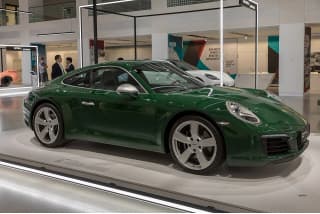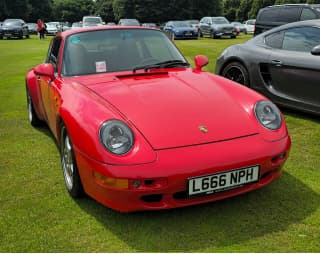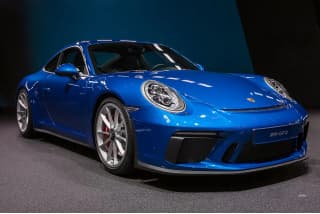
The Porsche Boxster S cannot be reduced to one best generation, because the car changed character across the four S models. Boxster S models use naturally aspirated flat-six engines through the 981, while the 718 S uses a turbocharged 2.5-liter flat-four. A useful shortlist compares engine type, performance, steering system, gearbox, roof condition, service history, and inspection findings.
In this article, we’ll compare the four Porsche Boxster S generations. We’ll cover engine differences, gearbox options, steering feel, and buying risks to help you choose the right one.
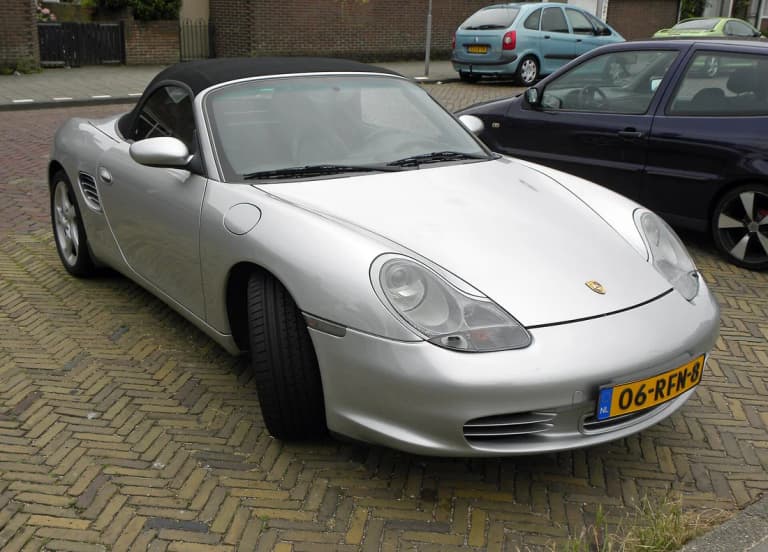
Contents
- 1 Quick Summary
- 2 What the S Badge Changes
- 3 Boxster S by Generation
- 3.1 986 Boxster S
- 3.2 987 Boxster S
- 3.3 981 Boxster S
- 3.4 718 Boxster S
- 4 Generation Comparison
- 5 Driving Character: Flat-Six, Flat-Four, and Steering
- 6 Manual, Tiptronic, and PDK
- 7 Known Problems by Generation
- 7.1 986 and 987.1: The M96 and M97 Era
- 7.2 987.2 Onward: The 9A1 Era
- 8 Equipment to Verify on an S
- 9 Used-Buying Checks
- 10 S versus Base Boxster
- 11 Choosing by Criteria
- 12 Frequently Asked Questions
The Boxster S badge covers four generations of models, not one recipe. The Porsche Boxster has been in production since 1996, and the original 986 ran from 1996 to 2004.
The second-generation 987 ran from 2005 to 2012, the third-generation 981 from 2012 to 2016, and the fourth-generation 718 from 2017 in the US. The S badge joined for model year 2000 and has appeared on all four models since. The complete Porsche Boxster guide covers the full model history, including base cars, Spyders, and GTS editions.
Quick Summary
- 986 S: 3.2L naturally aspirated flat-six, 252 to 260 PS, 5.7 seconds 0-60 mph
- 987 S: 3.2L flat-six at 280 PS, later 3.4L at 295 to 310 hp, performance varies by model year
- 981 S: 3.4L naturally aspirated flat-six, 315 hp, 4.5 seconds 0-60 mph with PDK and Sport Chrono
- 718 S: 2.5L turbocharged flat-four, 350 hp, performance varies by gearbox and equipment
- Production Span: Four generations built since 1996; the S badge joined for model year 2000
- IMS Risk: The 986 and 987.1 use M96/M97 engines with IMS bearing risk; the 987.2, 981, and 718 use the 9A1 family without an intermediate shaft
- Steering: The 986 and 987 use hydraulic power steering; the 981 and 718 use electromechanical assistance
What the S Badge Changes
The S badge marks the higher-output Boxster. Performance can differ significantly by year, while equipment varies by market. Buyers should verify the build sheet. Porsche’s 718 announcement confirms the generation-wide turbo four switch and the S model’s 2.5-liter engine.
A lower price does not reduce Porsche running costs. Focus on service history and inspection results.
Boxster S by Generation
Each generation pairs a different engine with its own gearbox and steering system. The four Boxster S models below run in production order, with the defining traits, performance, and buying priority for each car.
986 Boxster S
Our Porsche 986 buying guide records the S with a 3.2-liter naturally aspirated flat-six and a six-speed manual, with Tiptronic available. Porsche rated early cars at 252 PS and 2003 to 2004 cars at 260 PS, with 5.7 seconds to 60 mph for the early S. The S arrived for model year 2000, and its rear window changed from plastic to glass for model year 2003.
Age is the central buying criterion on a 986 S. Confirm the exact production period before discussing intermediate shaft work, then route diagnosis to the Porsche IMS bearing guide.
For buyers seeking a modern classic, this car can be fun without pretending age no longer matters.
987 Boxster S
Our Porsche 987 generation guide splits the S models into two distinct halves. The 987.1, from 2005 to 2008, pairs an M96 or M97 flat-six with port fuel injection and hydraulic power steering. The five-speed Tiptronic S was its only automatic option.
Displacement rose from 3.2 to 3.4 liters with the 2007 update. The 987.2, from 2009 onward, switched to the 9A1 engine family, direct fuel injection, and the seven-speed PDK. Treat 2009 as a mechanical boundary, not a styling footnote.
Porsche’s Boxster retrospective lists 280 PS for the first 987 S, rising to 295 horsepower with the 2007 update. Porsche’s 2010 US specification sheet lists 310 horsepower at 6,400 rpm and 266 lb-ft for the direct-injected 987.2 S, which uses the 9A1 engine with no intermediate shaft.
A manual, early Tiptronic, and later PDK 987 S each suit a different buyer. Verify model year, VIN, and transmission before trusting a seller’s label.
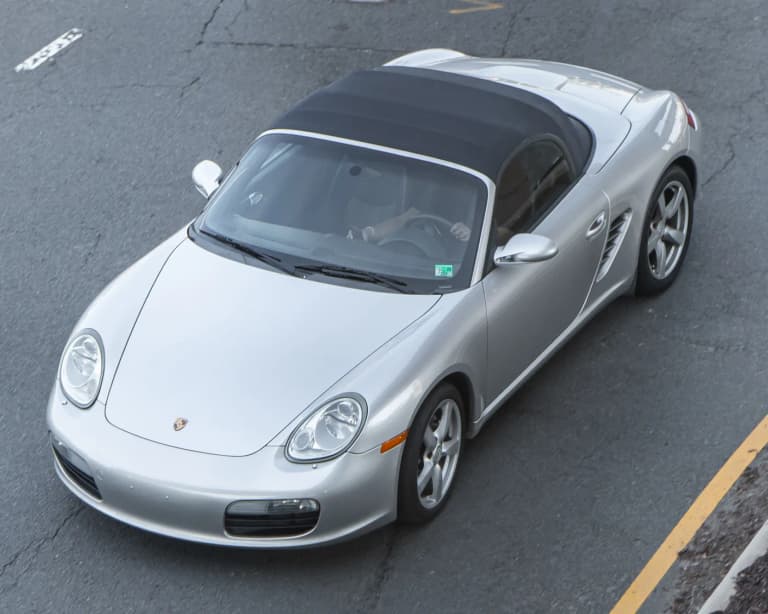
| Years | Powertrain | Gearbox choices |
|---|---|---|
| 2005-2006 | 3.2L flat six, 280 PS | Manual or Tiptronic |
| 2007-2008 | 3.4L flat six, 295 hp | Manual or Tiptronic |
| 2009-2012 | 3.4L flat six | Manual or PDK |
981 Boxster S
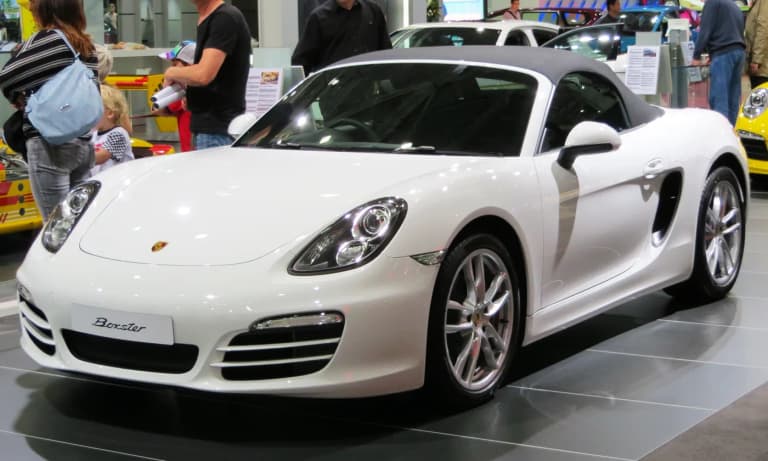
Our Porsche 981 generation guide records the 981 S with a 3.4-liter naturally aspirated flat-six and manual or PDK transmission. Porsche’s 2013 US specification sheet lists 315 horsepower at 6,700 rpm and 266 lb-ft. With PDK and Sport Chrono, Porsche listed 60 mph in 4.5 seconds.
The direct-injected 9A1 family carries no intermediate shaft, like the later 987.2. The 981 also brought a new chassis and moved from hydraulic to electromechanical steering, a difference worth knowing but not a reason alone to skip this generation.
For a 981, verify equipment against the build record, but inspect the roof and drainage paths as carefully as the drivetrain. A longer options list does not outweigh neglected maintenance or deferred brake work.
718 Boxster S
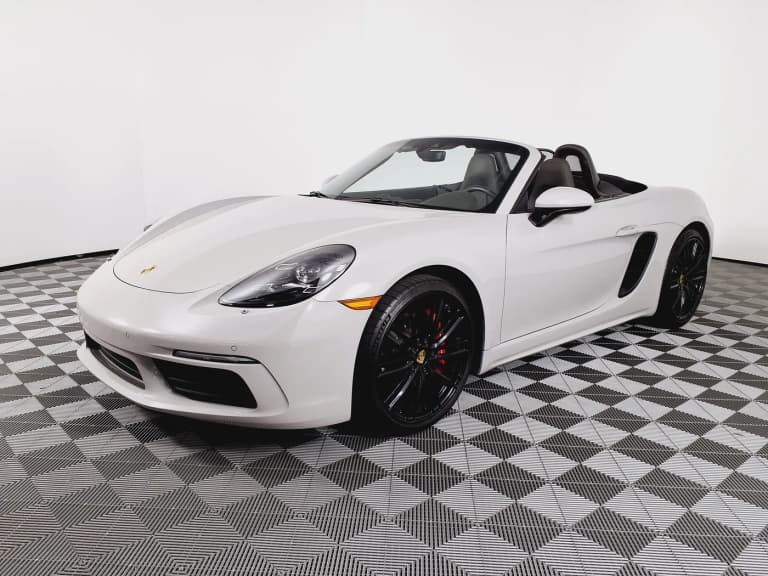
The 718 S replaces the naturally aspirated flat-six with a turbocharged 2.5-liter flat-four, keeping the same mid-engine layout used since the 986. Porsche Newsroom lists 350 hp and 309 lb-ft for the US model, with manual and PDK gearbox choices. Our 718 Boxster guide covers the wider 982-generation roadster range.
Choose the 718 S by gearbox, roof condition, performance needs, and inspection results against a same-year base car. Check how the Boxster is equipped, since a well-optioned base 718 can beat a stripped S on the things you use every day. GTS and Spyder comparisons stay with the broader model guides.
Porsche Boxster Generation Comparison
The engine changed from a flat-six through the 981 to a turbo flat-four in the 718. Tiptronic gave way to PDK in 2009, while electromechanical steering replaced hydraulic assistance with the 981.
| Generation | Powertrain boundary | Automatic choice | Priority check |
|---|---|---|---|
| 986 S | 3.2L flat six | Tiptronic | Age and IMS check |
| 987 S (pre-2009) | Flat six, hydraulic steering | Tiptronic | Service history |
| 987 S (2009+) | 3.4L flat six, hydraulic steering | PDK | Service history |
| 981 S | 3.4L flat six, electric steering | PDK | Equipment and condition |
| 718 S | 2.5L turbo flat four | PDK | Same-year alternatives |
Boxster S models split cleanly on those three boundaries, so pick the side of each you want before shopping individual cars. Every one of them is a convertible with a folding fabric roof.
Driving Character: Flat-Six, Flat-Four, and Steering
Every Porsche Boxster generation through the 981 uses a naturally aspirated flat-six that builds power steadily to a peak high in the rev range. The 987.2 S makes 310 horsepower at 6,400 rpm, and the 981 S makes 315 horsepower at 6,700 rpm. The 718 S is the only S with forced induction, and its 309 lb-ft arrives lower down. Drive both before deciding which power delivery suits your performance priorities.
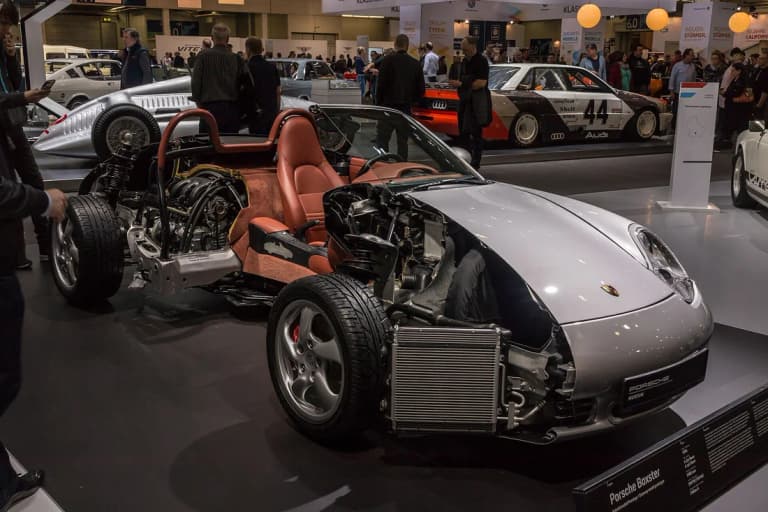
The mid engine layout puts the engine between the seats and rear axle. That balance gives noticeable stability and agile handling, making the car capable beyond its power figure. The same layout creates one trunk at each end, adding everyday luggage space.
Steering splits at the 981. The 986 and the 987 Porsche Boxster use hydraulic power steering, while the 981 and 718 use electromechanical assistance. If steering feel is a priority, drive healthy examples back to back rather than judging either system from a description.
Manual, Tiptronic, and PDK
Every Porsche Boxster generation offered a manual with a traditional gear lever. Tiptronic S, the five-speed torque-converter automatic, served the 986 and early 987. Our PDK vs manual guide records PDK as a seven-speed dual-clutch that replaced Tiptronic S for the 2009 987 update. It shifts faster than a human can shift a manual. A manual can feel a bit more fun, while PDK changes the pace significantly. Shift speed is not the only criterion, so drive both before choosing.
Inspect the transmission actually fitted. Check clutch operation and gear changes on a manual, and confirm maintenance evidence and consistent cold-to-warm behavior on an automatic. Do not assume any Tiptronic or PDK is healthy without vehicle-specific evidence.
Known Problems by Generation
Known issues on a Boxster S track engine architecture, not the calendar year. Focus the inspection on the engine family actually fitted: the 986 and 987.1 models share one set of concerns, while the 987.2, 981, and 718 models share another.
986 and 987.1: The M96 and M97 Era
The 986 and 987.1 Porsche Boxster models use Porsche’s M96 and M97 flat-six family, which carries the risk of IMS bearing failure. Our IMS bearing guide covers the mechanism and inspection in full depth.
Beyond IMS, have a specialist check the cooling system for a water pump failure, since radiators, hoses, and the pump age over a car’s life. Oil leaks from the rear main seal are a known issue on these engines, and the air-oil separator can fail and cause drivability problems.
A cut-open oil-filter check is cheap preventative maintenance, and owners with IMS work done should have the invoice. Expect to pay a specialist for the diagnosis, since none of this is a visual check.
987.2 Onward: The 9A1 Era
The 987.2, 981, and 718 Porsche Boxster models use the newer 9A1 engine family. It has no intermediate shaft or IMS bearing, so the risk above does not carry over. Direct-injected 3.4-liter S engines can accumulate intake-valve deposits, worth a borescope check rather than an assumed defect. On the 981, check the VIN against NHTSA campaign 21V679000, covering a rear-axle carrier fracture on 2013 to 2015 cars.
Some wear applies to every generation, regardless of mileage:
- Test the roof and hydraulic pump.
- Check drains and carpets.
- Inspect chassis, suspension bushings, and springs.
- Check coil packs for misfires.
- Replace staggered rear wheels as a set.
- Inspect brakes and fluid age.
- Check clutch feel and gear selection on manuals.
Tires are usually the largest recurring cost on a staggered fitment, since the rear wheels carry wider tires that need replacing sooner than the fronts. Replace rear wheels and tires as a matched pair and budget for it. Roof and cooling repairs stay the expensive age-related jobs, worth a local specialist quote.
Equipment to Verify on an S
The S badge on a Porsche Boxster sets the power output, not the options list. Buyers often assume a car includes more standard equipment than its model year delivered. Focus verification on the following performance options against the build sheet or a Porsche Certificate of Authenticity, since dealer-fitted upgrades and factory options are easy to confuse.
- Confirm Porsche Active Suspension Management (PASM) works in normal and sport modes.
- Verify the Sport Chrono package and its controls.
- Check for Sport or Sport Plus modes.
- Check for Porsche Torque Vectoring.
- Confirm any limited-slip differential fitted.
- Test the sport exhaust if fitted.
- Inspect the sport seat type and interior condition.
- Confirm the original wheel size.
- Inspect interior trim condition.
- Verify any 986 hardtop and mounting hardware.
Options can raise asking prices, but they never replace a clean inspection. Verify rarity and special editions against factory records, since both can heavily influence value. Document upgrades rather than assuming standard equipment.
Expert Tips and Used-Buying Checks
Start with a thorough pre purchase inspection on a lift. Focus on evidence over presentation. Expect rubber, plastic, and electrical parts to age. Run these checks in order:
- Review maintenance invoices against the VIN for generation, engine, and gearbox.
- Cold-start the Boxster and listen for unusual noise.
- Cycle the roof and inspect the fabric, rear window, seals, drains, and interior carpets.
- Road-test roof down, then roof closed, confirming windows, mirrors, and infotainment work.
- Check the front and rear wheels, tires, brakes, cooling, fluid leaks, suspension play, and paintwork on a lift.
- Have a specialist run a diagnostic scan for stored faults.
- Run the VIN through the NHTSA recall lookup for open campaigns.
The inspection cost buys peace of mind only when findings are written. Treat the rest of the seller’s paperwork as leads, not proof.
A seller who cannot demonstrate the roof cycle has an undiagnosed system, not a healthy one. Cabin design shifted from the 986’s analog controls to the 718’s touchscreen layout, so check that the interior electronics all respond before you commit. If the seller claims IMS work was done, get the invoice naming the parts and the shop.
S versus Base Boxster
The S is not automatically the right car for every buyer. Every Boxster S is a two-seat roadster with a folding fabric roof across all four generations. A base Boxster convertible shares the same mid-engine layout at a lower output. A well-maintained base car can be a better buy than a neglected S, since condition counts more than the performance gap as these cars age.
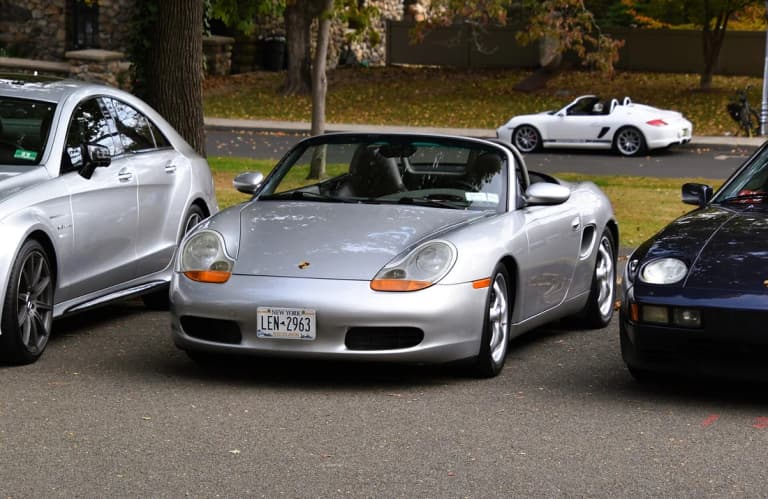
Buyers should compare a base Boxster and an S back to back if possible. The S models carry more power, and used prices reflect that, so decide whether the gap is worth the cost on the car you actually want.
Choosing by Criteria
Decide by matching a generation to your driving style, not to a ranking:
- Naturally aspirated flat-six: 986, 987, or 981.
- Hydraulic steering feel: 986 or 987.
- No intermediate shaft to plan around: 987.2 or later.
- A manual gearbox: every generation offered one.
- Newest platform and turbo torque: 718.
Those are filters, not rankings, since the right one depends on what buyers actually plan to do with the car. Weigh gearbox, performance, roof condition, options, service history, and budget together for long-term Porsche ownership. There is no single best Porsche Boxster, only the best documented car in the generation that fits you. The Cayman vs Boxster guide covers the fixed-roof alternative in full.
If a modern classic is the goal, keep the rest of your budget for repairs and maintenance. Like other Porsches, the best car is the one you can document.
Frequently Asked Questions
How much does a Porsche Boxster S cost?
Prices depend on generation, condition, mileage, and service history, and listings shift too fast for a fixed figure to stay accurate. Check current listings for the generation you want, then budget separately for a pre-purchase inspection and any roof, cooling, or engine work it turns up.
What car is the poor man’s Porsche?
The Porsche Boxster is the car most often called the poor man’s Porsche, but it is a Porsche-engineered mid-engine roadster rather than a substitute for a 911. Judge it by its layout, condition, engine, and fit for your driving, not by the insult.
What are common problems with the Boxster S?
Known issues track engine architecture, not the calendar year. The 986 and pre-2009 987 S carry the risk of IMS bearing failure from their M96 and M97 engines, along with rear main seal oil leaks and air-oil separator failure. Every generation needs its roof, drains, and cooling system checked for age-related wear. A specialist inspection separates real repairs from cosmetic damage.
Which Boxster S generations use a flat-six?
The 986, 987, and 981 S use naturally aspirated flat-six engines, all built around the same mid-engine layout. The 718 S switched to a turbocharged 2.5-liter flat-four, trading peak power for stronger low-end torque. Buyers who want that six-cylinder sound and response should shop the first three generations.
Which Boxster S generations do not have an IMS bearing?
The 987.2, 981, and 718 S do not have an IMS bearing, since all three use the 9A1 engine family without an intermediate shaft. The 986 and 987.1 S use the earlier M96 and M97 architecture, which does carry that risk. Confirm the exact model year and engine before assuming either way.
How many generations of Porsche Boxsters were produced?
Four. The 986 ran from 1996 to 2004, the 987 from 2005 to 2012, the 981 from 2012 to 2016, and the 718 from 2017 onward in the US. The S badge joined the range for model year 2000 and has appeared on all four models since.
Is a Porsche Boxster S reliable?
Reliability tracks the engine architecture and the maintenance record, not the badge. The 986 and 987.1 models use the M96 and M97 family, which carries intermediate shaft design risk. The 987.2, 981, and 718 models use the 9A1 family, which has no intermediate shaft. Documented maintenance predicts repairs better than mileage does.
Why are Boxster S so cheap?
Lower prices reflect production volume, age, and the S sitting below the 911 in Porsche’s range, not a lower standard of engineering. Owners still pay Porsche costs: tires, brakes, cooling work, and roof repairs. A cheap S with no service history is usually the expensive one, so pay for the inspection first.
What year Porsche Boxster should you stay away from?
No single model year is universally bad. The 986 and 987.1 models carry IMS design risk from the M96 and M97 architecture, and older models of every generation carry roof, drain, and cooling wear. Judge the individual car, since an undocumented example from a good year is the worse buy.
What is the best year of Porsche Boxster to buy?
There is no single best year, so choose by priority. For a naturally aspirated flat-six, shop the 986, 987, or 981. To avoid an intermediate shaft entirely, shop the 987.2 or later. For hydraulic steering, shop the 986 or 987. For the newest platform and turbo torque, shop the 718. Then buy the best documented car in that group.
Which years of the Porsche Boxster S are considered the best?
The boundary years decide the shopping list, not a single favorite. Model year 2000 added the S. Model year 2003 brought the glass rear window. Model year 2007 moved the S to 3.4 liters. Model year 2009 brought the 9A1 engine and PDK. Model year 2012 brought the 981 and electromechanical steering. Model year 2017 brought the 718 turbo four. Pick the side of each boundary you want, then buy the best documented car on it.
Images: 2003 Porsche 986 Boxster S by Free Photos and Art, CC BY 2.0. 987 Boxster by OWS Photography, CC BY 4.0. 981 Boxster by OSX, public domain.
718 Boxster S by HJUdall, CC0. Porsche 986 museum cutaway by Matti Blume, CC BY-SA 4.0.
1999 Porsche Boxster by Charles, CC0. Via Wikimedia Commons.