Porsche's brand-wide evidence is positive, but it is not one reliability score. J.D. Power's 2026 U.S. Initial Quality Study ranked Porsche highest for early ownership quality, while its 2025 Vehicle Dependability Study placed Porsche third among premium brands after three years of ownership. Consumer Reports' 2026 Brand Report Card ranks Porsche third overall, though the same report does not include Porsche in its separate reliability ranking, citing insufficient survey data. From there, reliability splits by model. This guide covers the 911, the 718 Boxster and Cayman, the Cayenne, the Macan, the Panamera, and the Taycan. Each section below has the recall and survey record behind it.
In this article, we'll assess Porsche reliability across recent models. We'll cover model records, common faults, and maintenance costs.
Contents
What the Reliability Surveys Say
Porsche was the highest scoring brand overall in J.D. Power's 2026 U.S. Initial Quality Study, its second consecutive year at the top, with an average of 138 problems per 100 vehicles against the industry field. The 911 alone scored even stronger, at 110 problems per 100 vehicles.
The picture is similar but not identical in J.D. Power's 2025 U.S. Vehicle Dependability Study, which measures three-year-old cars rather than new ones. The industry average was 202 problems per 100 vehicles, Lexus led at 140, and Porsche came in at 186 PP100, the third-ranked premium brand that year.
Consumer Reports' 2026 Brand Report Card ranks Porsche third overall among the brands it covers. The same report is explicit that Porsche is one of several brands Consumer Reports does not include in its separate reliability ranking, citing insufficient survey data. Both facts are worth knowing together, since the second one limits how much weight the first one should carry.
None of these brand-wide numbers replace a model-specific or generation-specific answer. The sections below break reliability down by model, and our dedicated 911 reliability by generation guide covers the sports car in far more depth than a brand overview can.
The Porsche 911
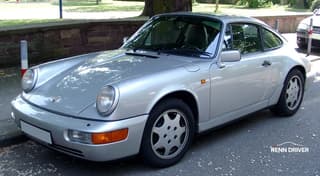
The 911 is still the car most people mean when they ask if Porsche is reliable, and its record backs up that reputation in the surveys above. But reliability on the 911 has changed meaningfully across nearly six decades of production, and lumping every generation into one verdict hides more than it reveals.
The IMS Bearing Years (996 and 997.1)
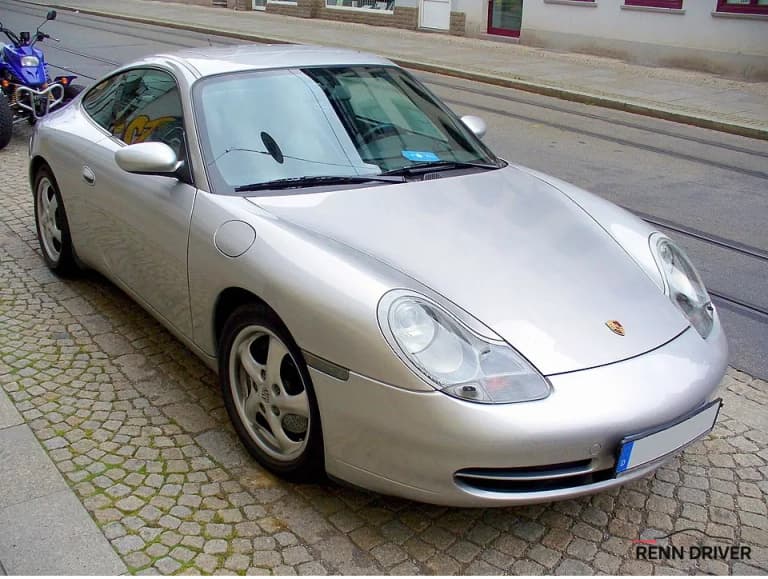
The 996 (1999 to 2004) and early 997 (2005 to 2008) share the M96 and M97 engines and the IMS bearing risk that defines their reputation. The bearing issue was the subject of a class action settlement, Eisen v. Porsche Cars North America, covering 57,929 vehicles with a claim deadline of October 15, 2013. The often repeated figure that roughly 10 percent of affected engines failed comes from the plaintiffs' attorneys' own estimate in that case, not a court finding or a Porsche admission.
The issue is real, but a normal inspection cannot reliably clear every bearing and not every version is externally replaceable. Engines with the 2006 to 2008 oversized bearing require partial engine disassembly. Earlier bearing designs are the ones most commonly addressed with a retrofit. Our dedicated IMS bearing guide covers the retrofit process, the specialist failure rate estimates, and the cost in full detail.
997.2 Onward
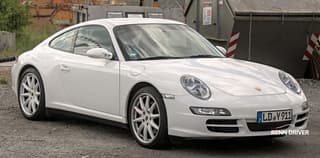
Starting with the 997.2 (2009), the Carrera line moved to a new engine architecture, internally known as MA1 or 9A1, which replaced the M96/M97 design and removed the intermediate shaft and IMS bearing risk. The 997.2 GT3 and GT3 RS kept the Mezger architecture instead, the same gear-driven design used in the Turbo and GT cars, which never had an IMS bearing to begin with. Recall histories vary by year and variant. Documented campaigns include a hood latch recall covering some 2014 and 2015 911, Boxster, and Cayman models. The 992 also has campaigns involving glass bonding, a wheel bolt, headlight software, and a rearview camera display fault. These examples are not a complete recall history. Check the NHTSA recall search by VIN because coverage varies and changes.
For the full generation-by-generation breakdown, with sources for every claim, see our Porsche 911 reliability by generation guide. For the mechanical detail behind those claims, see our common problems and IMS bearing guides.
The 718 Boxster and Cayman
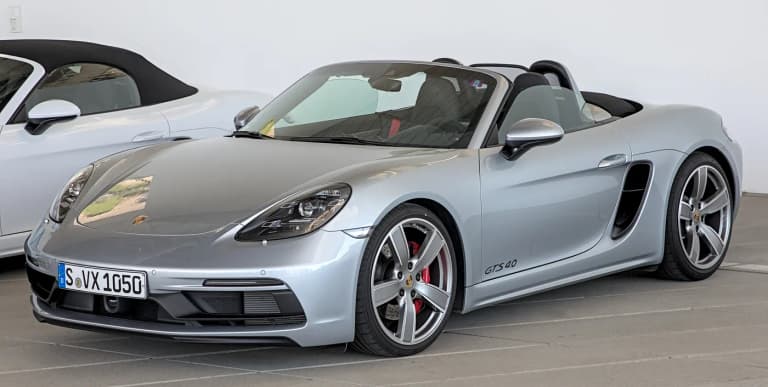
The 718 Boxster and Cayman share their engine history with the 911. The 986 Boxster and 987.1 Cayman use the same M96 and M97 engines as the 996 and early 997, and carry the same IMS bearing risk described above. The 987.2, from 2009 onward, moved to the newer MA1/9A1 engine architecture that replaced the intermediate shaft design, the same change that ended the IMS risk on the 997.2.
The same hood latch recall that touched the 991 also covers 2014 and 2015 Boxster and Cayman models. Other recall histories vary by year and model. The absence of a filed recall is not proof that no issue exists, so check the VIN and specialist history for the specific car.
The Cayenne
Porsche's first SUV has its own set of documented issues, separate from the sports car engines above.
Coolant Pipes on Early Cayennes
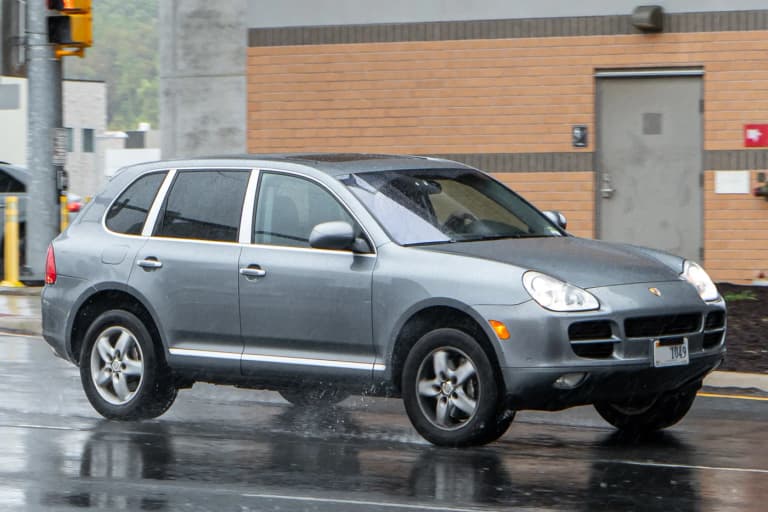
The first-generation 955 Cayenne uses plastic coolant pipes in the engine valley that degrade with age and can leak, sometimes producing visible steam under the hood. Independent specialist Pcarwise documents a metal-pipe update kit as the standard fix. A separate lawsuit, Xu v. Porsche Cars North America, alleges the same glued coolant pipe fitting problem on 2011 to 2019 Cayenne V8 models and 2010 to 2016 Panamera models, according to CarComplaints' coverage of the filing.
The 958 Transfer Case
Owners and independent specialists have documented transfer case failures on 2011 to 2018 958 Cayennes, with symptoms including a low speed shudder and, in some cases, a full loss of all wheel drive. No NHTSA recall has been issued for this fault, so treat it as a specialist-reported concern rather than a manufacturer-confirmed defect rate.
NHTSA's records for the MY2013 958 Cayenne list three campaigns, the most significant a 2016 recall for a brake pedal pivot pin circlip. That's a scoped example from one model year, not a full recall history for the 2011 to 2018 generation. Check the NHTSA recall search by VIN for the current record on a specific car.
The Macan
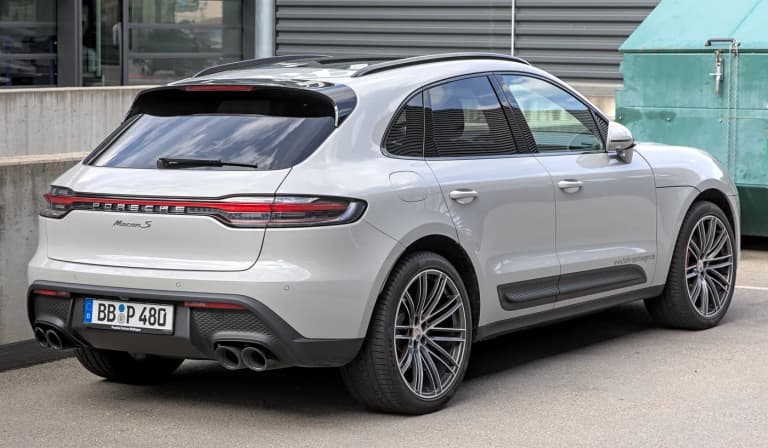
The Macan's NHTSA record includes a 2015 fuel pump cover crack and leak, a brake booster recall, and a 2021 shock absorber screw connection issue. Those are examples tied to specific model years, not a full recall count for the generation. Run a current VIN search before treating any published list as complete.
The all-electric Macan, built on the 800 volt Premium Platform Electric architecture Porsche shares with Audi, launched in January 2024. It is new enough that no long-term reliability record exists yet, and this guide will not guess at one.
The Panamera
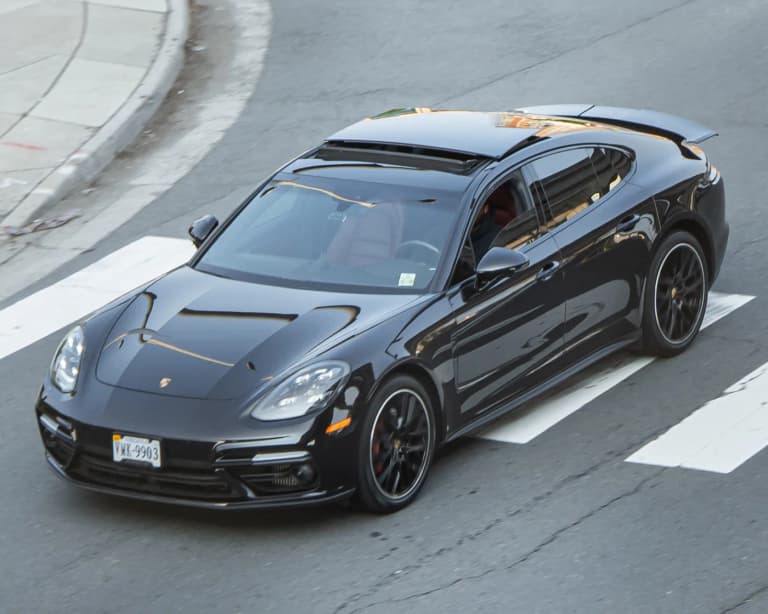
The Panamera carries two notable NHTSA campaigns from 2021 and 2023. One covers front lower trailing arms that were not forged correctly and could break, a campaign it shares with the Taycan. The other covers a climate control coolant pump with a short circuit risk. A separate recall covers rear seat belt anchors on certain models.
Like the Cayenne, the V8 Panamera is named in the Xu v. Porsche Cars North America coolant pipe lawsuit described above, covering 2010 to 2016 model years.
The Taycan
Porsche's first electric car is also its newest platform, and its NHTSA record reflects a young, still-evolving product line rather than a settled one.
Battery Module Recalls
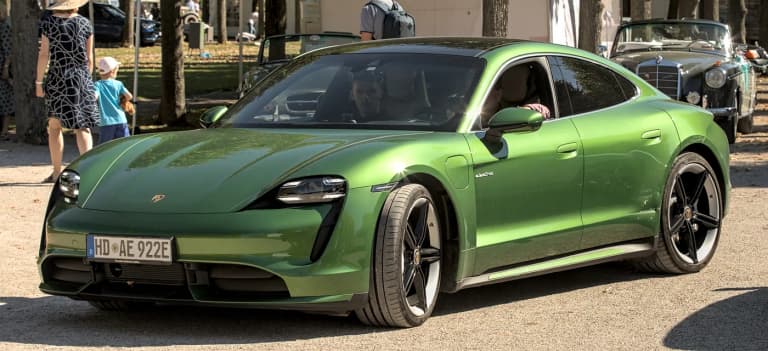
The Taycan has been the subject of five separate NHTSA campaigns tied to its high voltage battery: 23V840000, 24V215000, 24V217000, 24V731000, and 24V732000. NHTSA's records show that the most recent, 24V732000, expands and replaces three of the earlier ones, 23V840000, 24V215000, and 24V217000. All of them address the same underlying risk, a short circuit within the battery modules. The remedy depends on the vehicle and campaign. It can include monitoring, an 80 percent charge restriction where required, diagnostic testing, a software update, or battery module replacement. Check the NHTSA recall search by VIN to see which campaigns apply to a specific car and whether the remedy has been completed.
Charging Cable and Brake Hose Campaigns
A separate campaign, 23V841000, covers a portable charging cable and outlet that can overheat, with a temperature sensor added to the cable as the remedy. Another, 24V455000, covers front brake hoses that can crack and leak on some model years.
The Taycan was the first production car with an 800 volt system voltage, well ahead of most of the EV market at launch. New architecture means fewer years of ownership data exist for it than for the gas-engine Porsches on this page, which is worth weighing alongside the recall numbers above.
Maintenance Costs
Porsche maintenance varies widely across the lineup. There is no single number that applies across every model and market. Routine service, tires, and brakes all scale with the model, and every generation carries its own specific failure points worth budgeting around.
The model and generation are the biggest cost variables. Dealer or independent-shop choice, location, and parts sourcing also affect the total. Model-specific repair costs, including the 911's common problems and IMS bearing retrofit, live on their own dedicated guides. Thailand-specific pricing is in our Porsche maintenance costs in Thailand guide.
Dealer vs Independent Shops
One of the biggest decisions a Porsche owner makes is where to have the car serviced.
Porsche Dealer Service
Pros: factory-trained technicians, genuine OEM parts, warranty-safe service, access to Porsche diagnostic software, and detailed service records that support resale value.
Cons: pricing and older-model expertise vary by location, so compare written quotes and ask about experience with the exact generation.
Independent Porsche Specialists
Pros: a Porsche-focused shop may have deep experience with specific generations and may offer appropriate OEM or aftermarket parts choices. Verify its diagnostic access, references, and experience with the exact model.
Cons: quality varies between shops, some lack full diagnostic access, and service records may carry less weight with future buyers than a full dealer history.
Neither option is the automatic right call for every owner or every job. Warranty work generally has to go through a dealer, and some owners keep major scheduled services there as well. Others rely on a trusted independent specialist for most or all of their maintenance instead. Pricing and expertise vary by shop and region. Ask for a written quote rather than assuming savings based on shop type. Look for shops that specialize in Porsche specifically, ask what models they see most often, and check whether they have experience with the exact generation you own.
Porsche Approved and Warranty Coverage
Porsche Approved is the manufacturer's certified pre-owned program. Eligible cars go through a multi-point inspection before coverage begins. Porsche has published program updates over time. The linked 2017 announcement is historical context, not current policy.
Eligibility, inspection requirements, coverage duration, mileage terms, and exclusions all vary by market and change over time. Confirm the current terms directly with a local Porsche dealer before relying on any specific length or limit. A Porsche Approved warranty is still a meaningful data point on a used car, since it means the dealer network was willing to inspect and back that specific vehicle.
Frequently Asked Questions
Are Porsches reliable overall?
The evidence is generally positive, but reliability depends on the model, the generation, and the individual car. Porsche was the highest scoring brand in J.D. Power's 2026 Initial Quality Study and ranks third overall on Consumer Reports' 2026 Brand Report Card, though Consumer Reports does not include Porsche in its separate reliability ranking due to insufficient data. From there, reliability comes down to the specific model and, for the 911, the specific generation.
What is the most reliable Porsche 911 generation?
There is no single independent study that ranks every 911 generation against the others. See our 911 reliability by generation guide for the full evidence-based breakdown, generation by generation, with sources for every claim.
Is the Porsche Taycan reliable?
The Taycan has been the subject of five separate NHTSA battery module campaigns, plus a charging cable recall and a brake hose recall. The battery campaigns share a common short circuit risk but differ in which cars and model years they cover, so check the affected VINs rather than assuming one covers the others. It's a young, all-electric platform still building its ownership track record, and that context is worth weighing before you buy. See the Taycan section above for the campaign numbers.
Are Porsche SUVs reliable?
The Cayenne and Macan both have documented, specific issues, the 955 Cayenne's coolant pipes and the 958's transfer case among them. NHTSA's recall records for these SUVs are tied to specific model years, not a full generation count, so check the VIN of the specific car rather than assuming a light record across the board. Neither issue affects every car of that generation, and a pre-purchase inspection is worth arranging either way.
Are Porsches expensive to maintain?
Porsches can be expensive to maintain, but there is no defensible brand-wide comparison or annual figure that applies across every model and market. Routine service, tires, brakes, and model-specific repairs move the total. Budget for the exact model and generation, and compare current written quotes from qualified shops.
Do all Porsches have the IMS bearing problem?
No. The IMS bearing issue only affects the M96 and M97 engines used in the 996 Carrera, 997.1 Carrera, and the equivalent Boxster and Cayman models built through 2008. Every 911 from the 997.2 onward, and every Cayenne, Macan, Panamera, and Taycan, uses different engine and drivetrain architecture that does not have this issue. See our dedicated IMS bearing guide for the full detail.
Final Thoughts
The honest answer to "are Porsches reliable" is that the evidence is generally positive, but it depends on the model, the generation, and the individual car. The sampled surveys and recall records provide useful context, but they cannot establish the presence or absence of a brand-wide failure pattern.
The specific issues that do exist, the 911's IMS bearing years, the Cayenne's coolant pipes and transfer case, the Taycan's battery module campaigns, are documented and worth checking for on the specific car in front of you. Most have an inspection step or a known fix, though neither is guaranteed to apply to every case. They call for an informed buyer and a maintenance plan built around the model and generation you're looking at, not a generic Porsche.
Buy the right car for the model family and generation, get it properly inspected, and keep it maintained on schedule. That is the best a buyer can do to stack the odds toward a good ownership experience.
Images: 996 coupe by Thomas doerfer, CC BY-SA 3.0. 718 Boxster GTS 4.0 by Alexander Migl, CC BY-SA 4.0. 955 Cayenne S by OWS Photography, CC BY 4.0. 2022 Macan S by Alexander-93, CC BY-SA 4.0. 971 Panamera Turbo by OWS Photography, CC BY 4.0. Taycan Turbo by Alexander-93, CC BY-SA 4.0. Via Wikimedia Commons.