
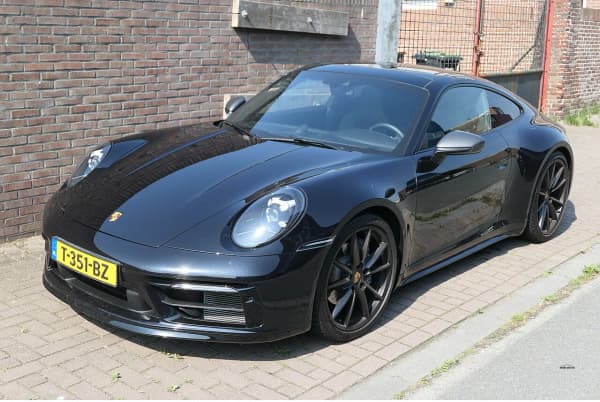
Porsche 911 Carrera T – The Purist’s Carrera
The Porsche 911 Carrera T strips insulation, deletes rear seats, and adds a mechanical diff lock and sport exhaust to the base Carrera. Full specs for the 991.2 and 992.
The Porsche 911 Carrera T strips insulation, deletes rear seats, and adds a mechanical diff lock and sport exhaust to the base Carrera. Full specs for the 991.2 and 992.
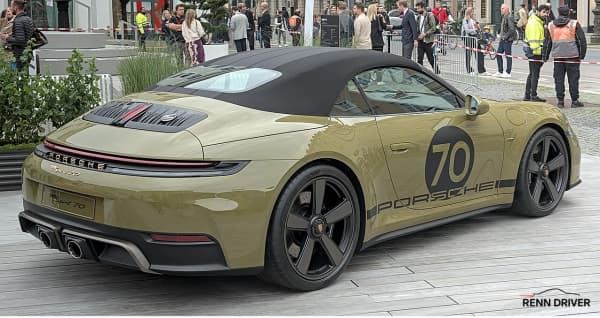
The Porsche 992.2 is the facelifted 992 and the first hybrid 911. GTS T-Hybrid makes 534 hp, Turbo S makes 701 hp. Every variant, specs, and pricing.
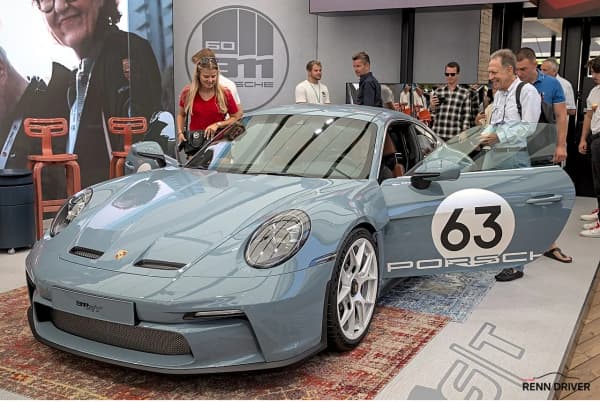
The Porsche 911 S/T pairs the GT3 RS engine with a 6-speed manual in the lightest 992 ever built. 518 hp, 3,056 lbs, limited to 1,963 units. Full specs, heritage, and values.
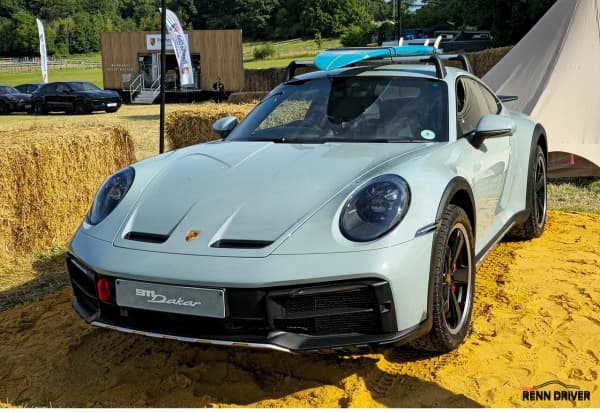
The Porsche 911 Dakar is a rally-inspired, all-terrain 911 limited to 2,500 units. 473 hp, raised suspension, all-wheel drive, and Pirelli all-terrain tires. Full specs and history.
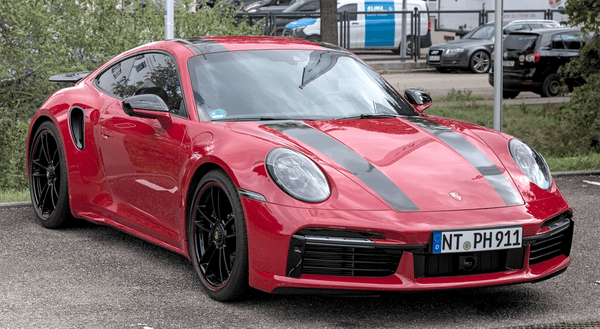
The Porsche 911 Turbo S is the most powerful production 911 in every generation. From the 993 to the 992, full history, specs, and what makes each one special.
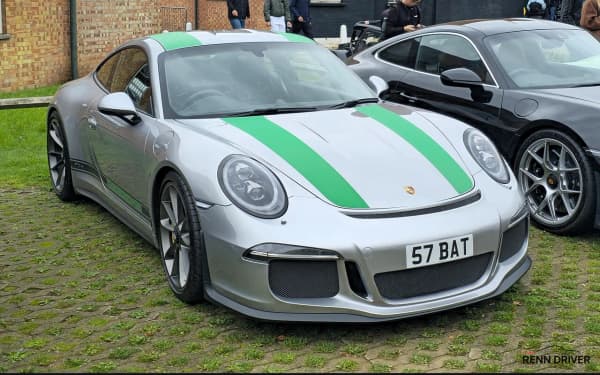
The 2016 Porsche 911 R pairs the 500 hp GT3 RS 4.0L flat-six with a 6-speed manual, no wing, and no roll cage. 991 units built. Full specs, the speculation frenzy, and current values.
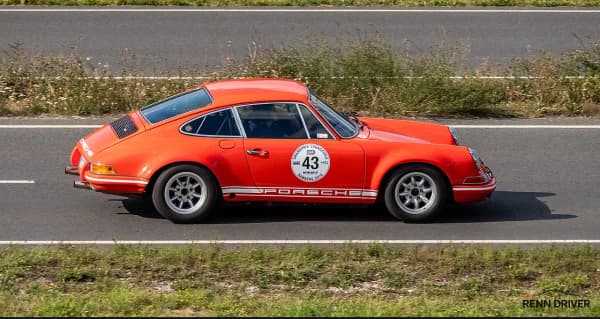
Two cars share the Porsche 911 ST name. The original 1970-1971 lightweight race homologation car and the modern 2023 992-based 911 S/T. Full history, specs, and values for both.
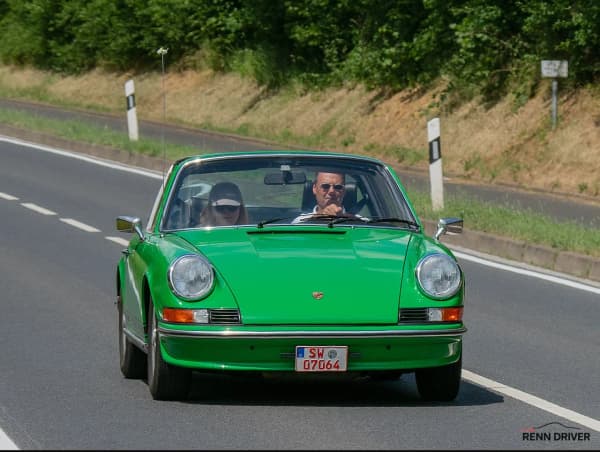
The Porsche 911T (Touring) was the entry-level 911 from 1967 to 1973. 2.0L to 2.4L flat-six, 110-140 hp, lighter and simpler than the 911S and 911E.
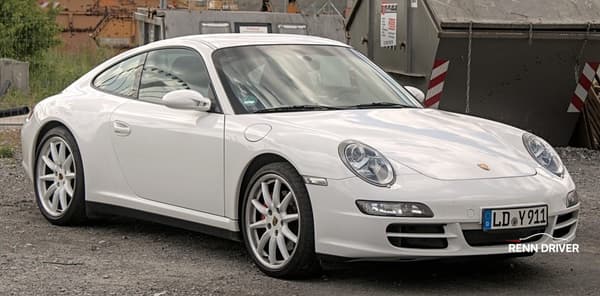
The Porsche 997 and 991 represent two different philosophies of the 911. Here is how they compare on engine, steering, value, and driving feel.
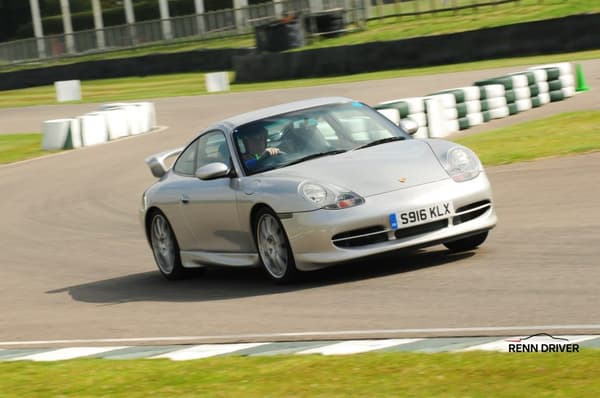
Are Porsches reliable? Overall yes, but it depends on the model. Full breakdown of the most and least reliable 911s, IMS bearing truth, Mezger engine durability, and maintenance costs.